
BACK TO OVERVIEW
Ambassador’s Dinner, Frankfurt, June 2024
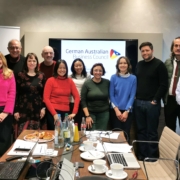
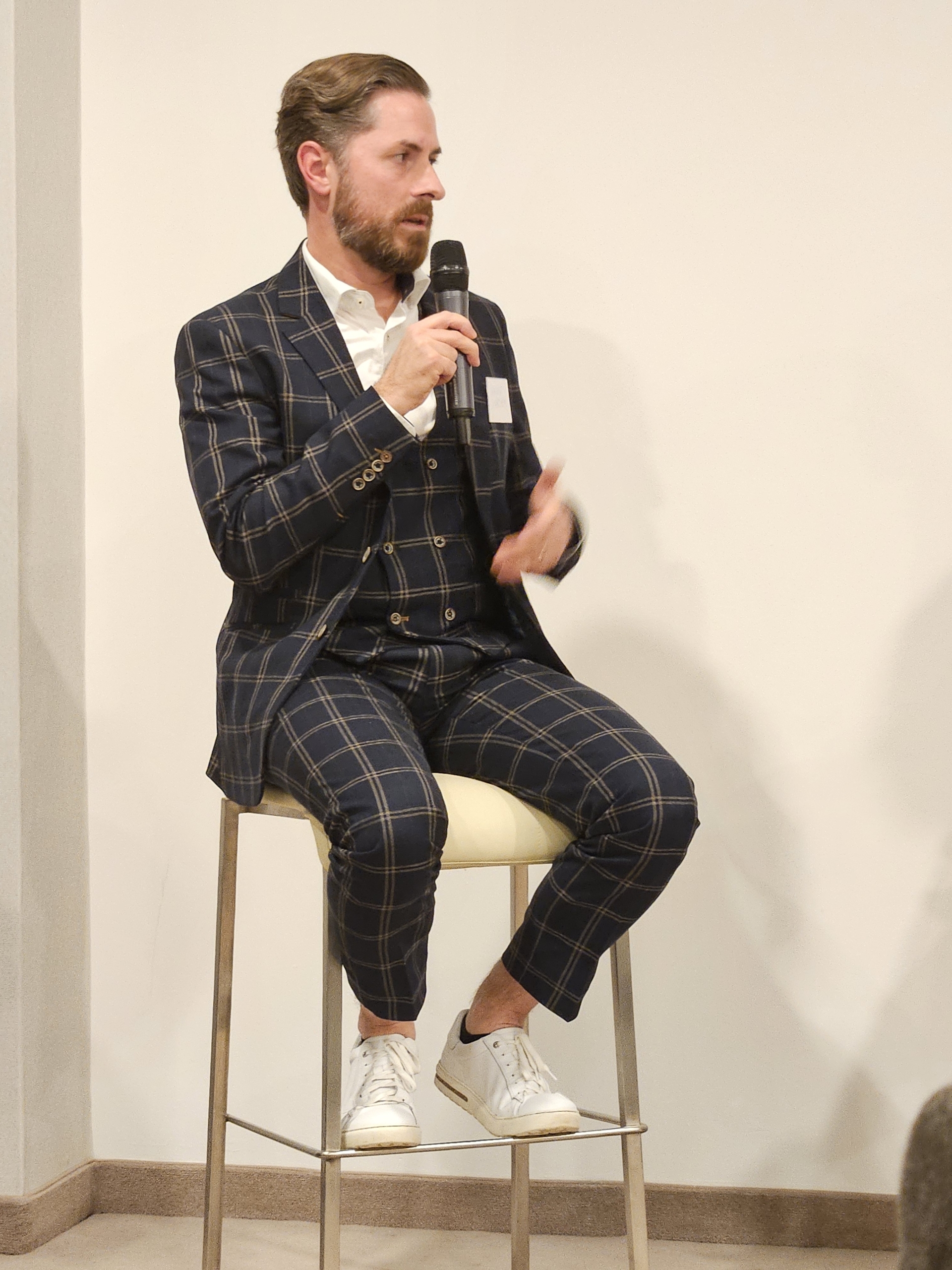
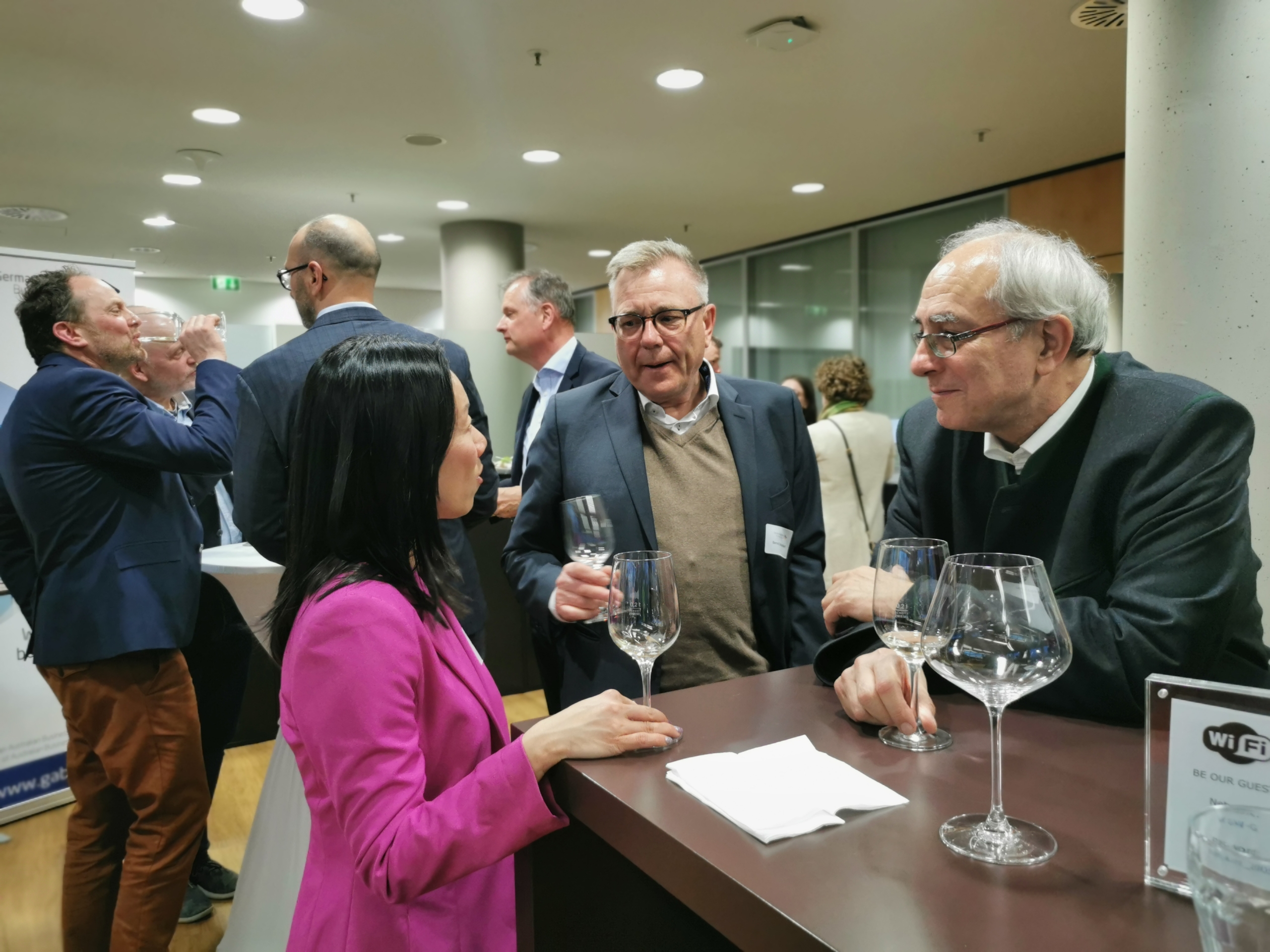
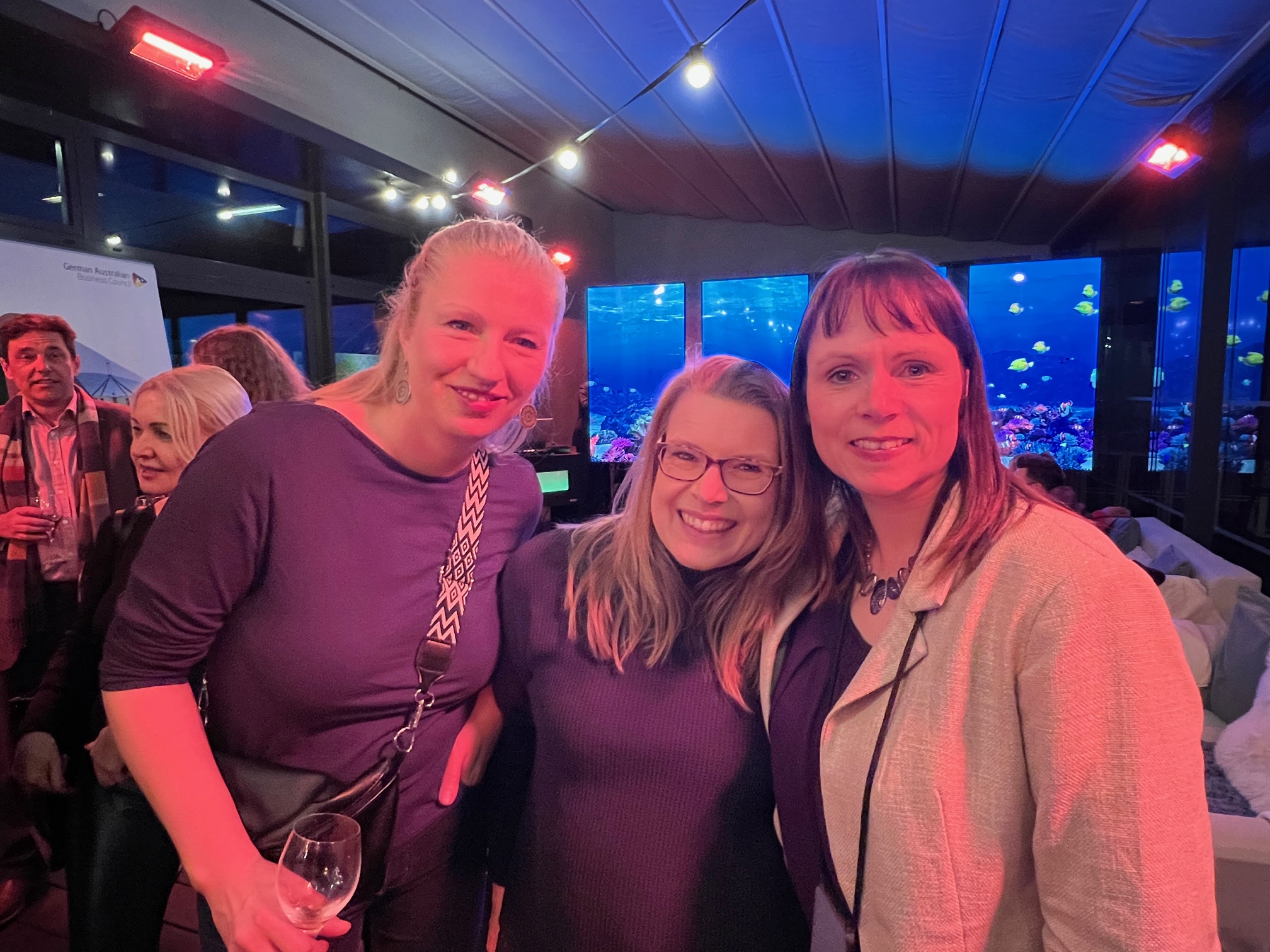
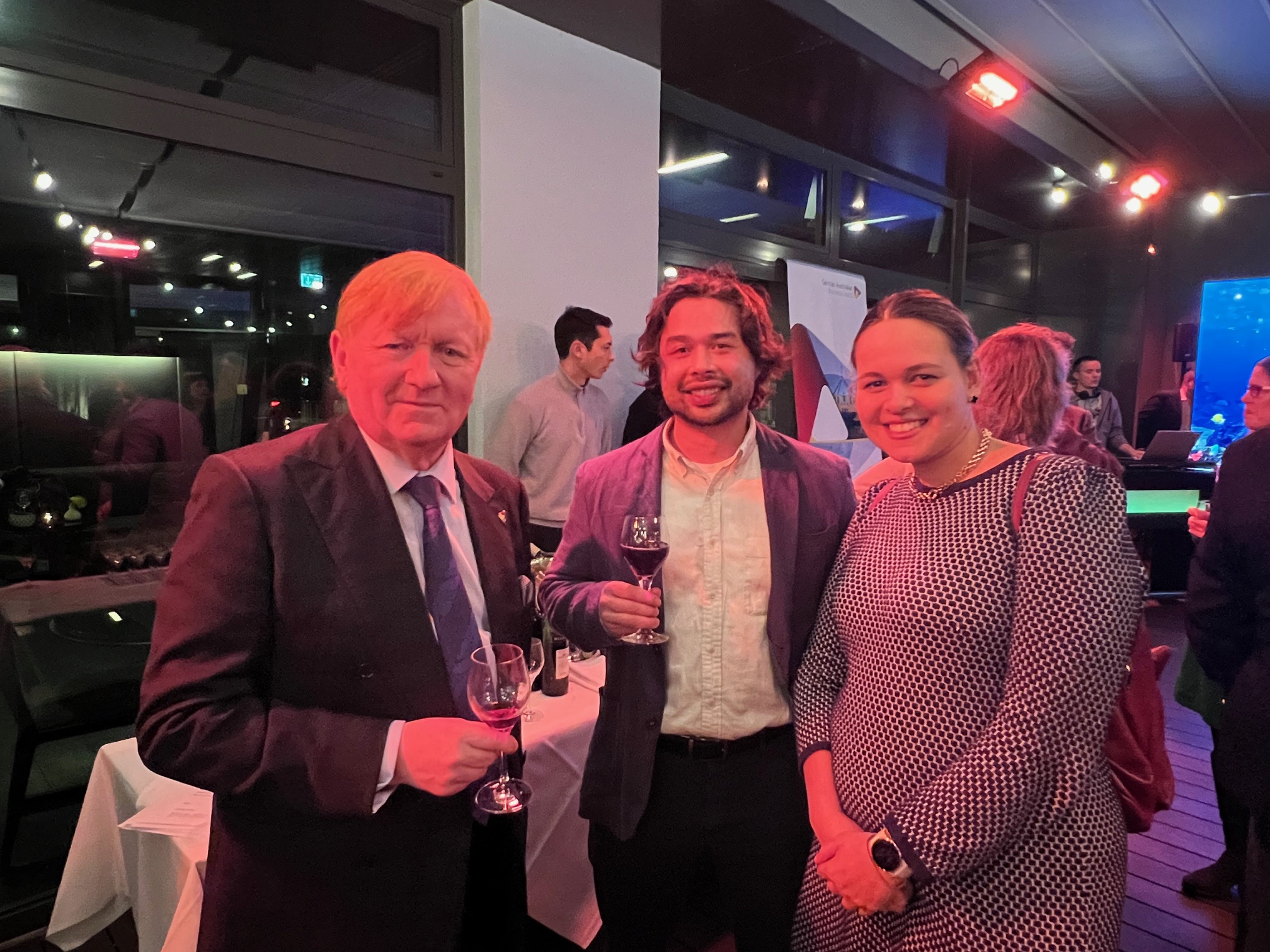
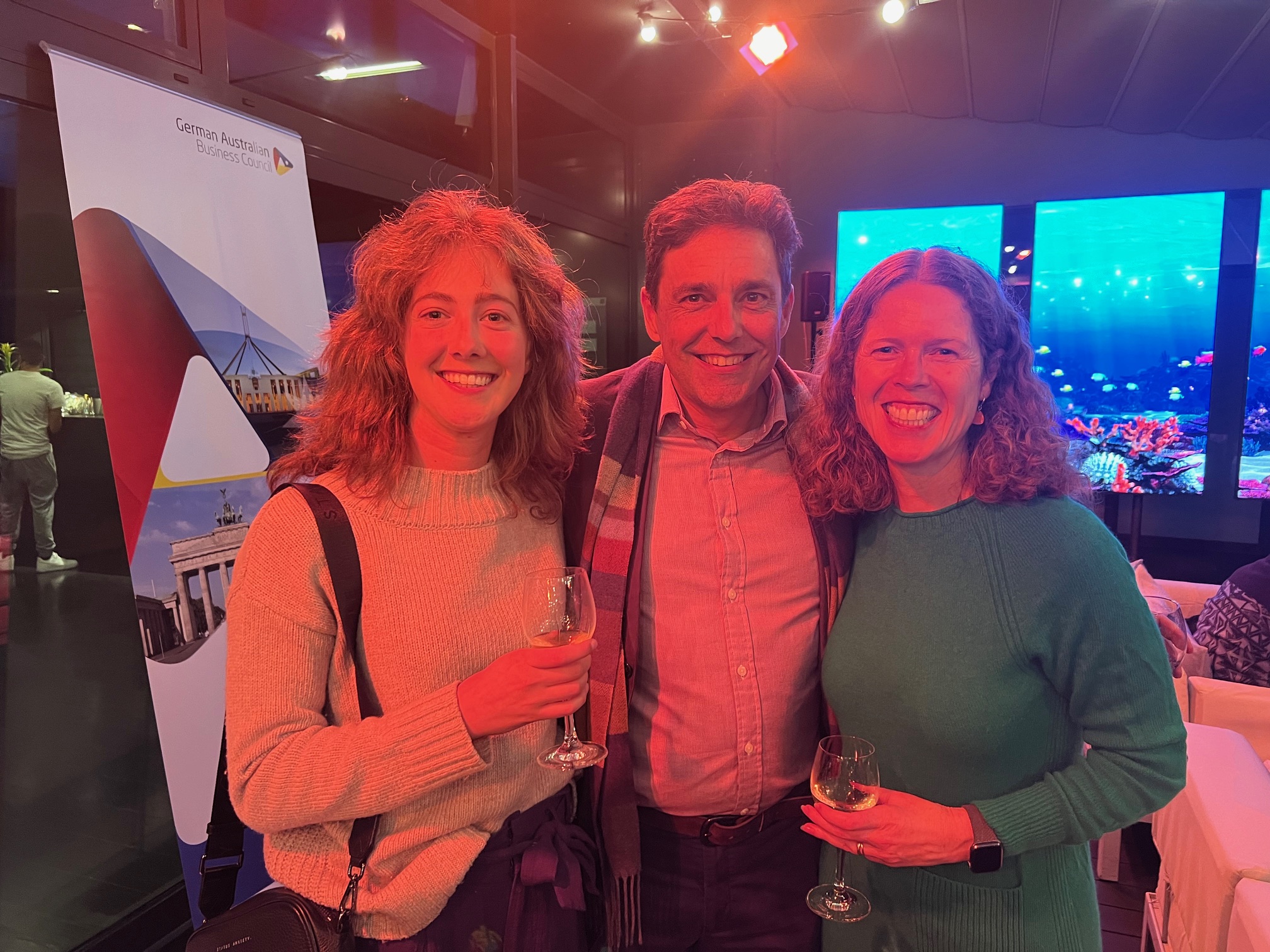
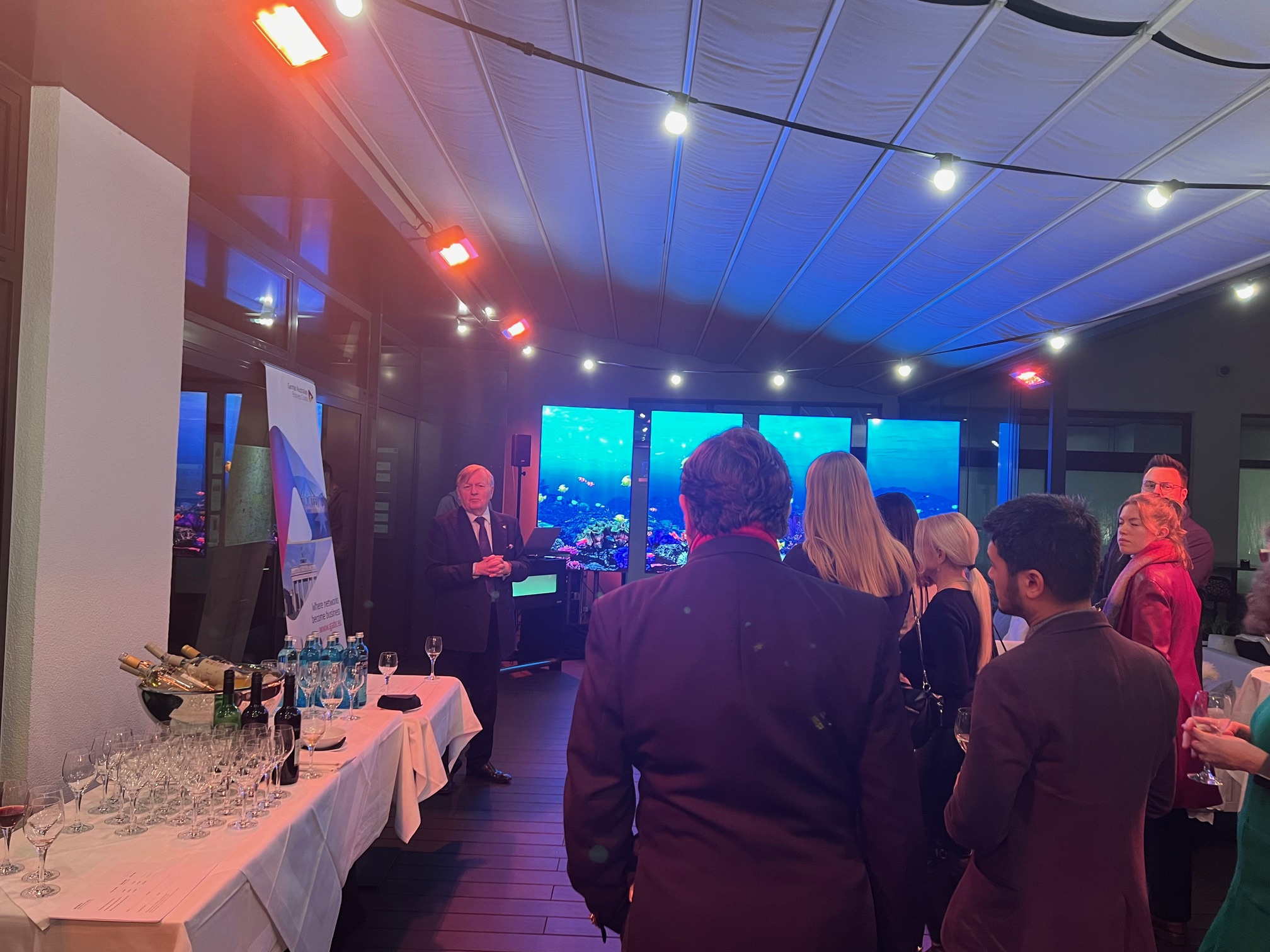
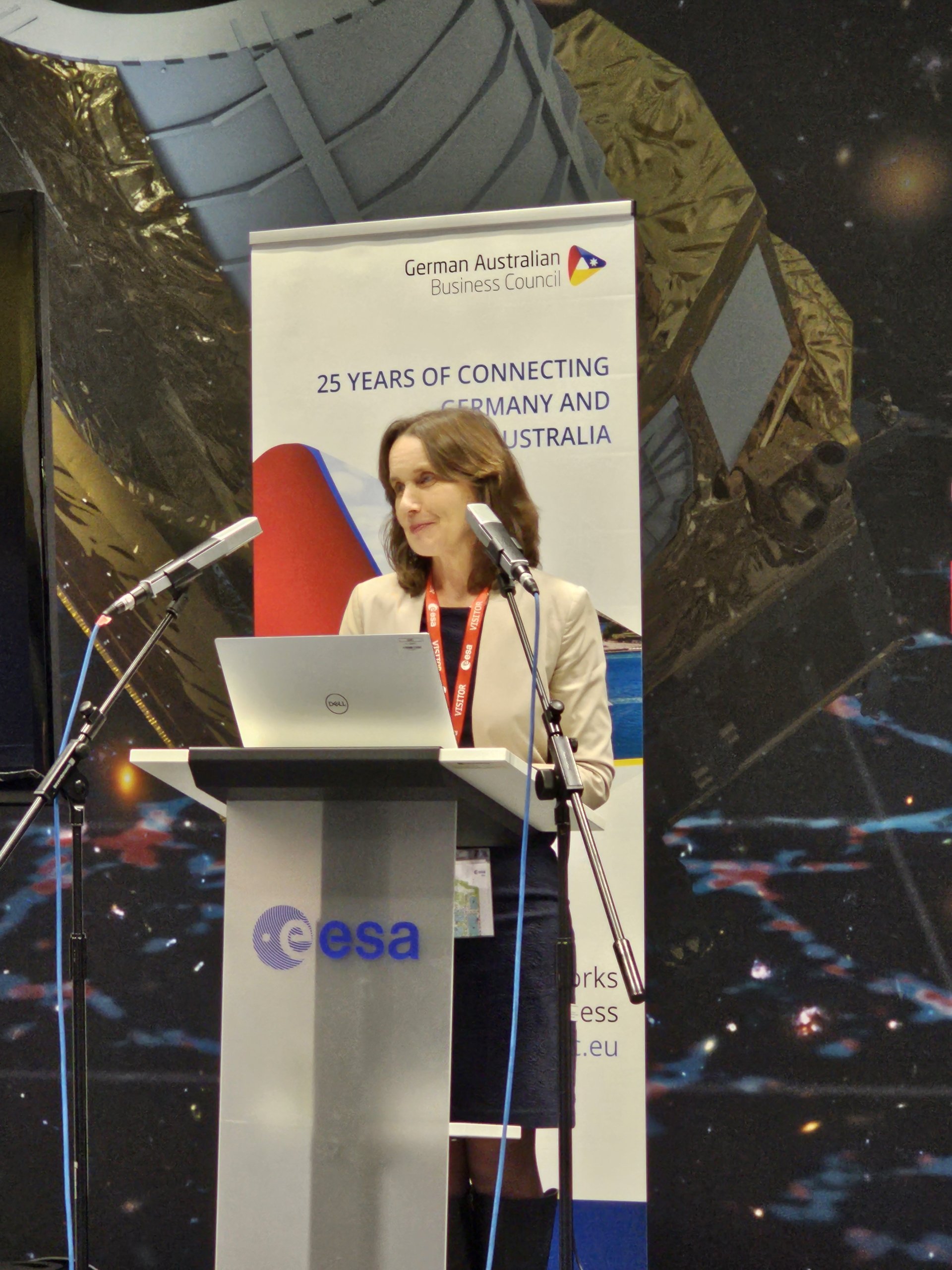
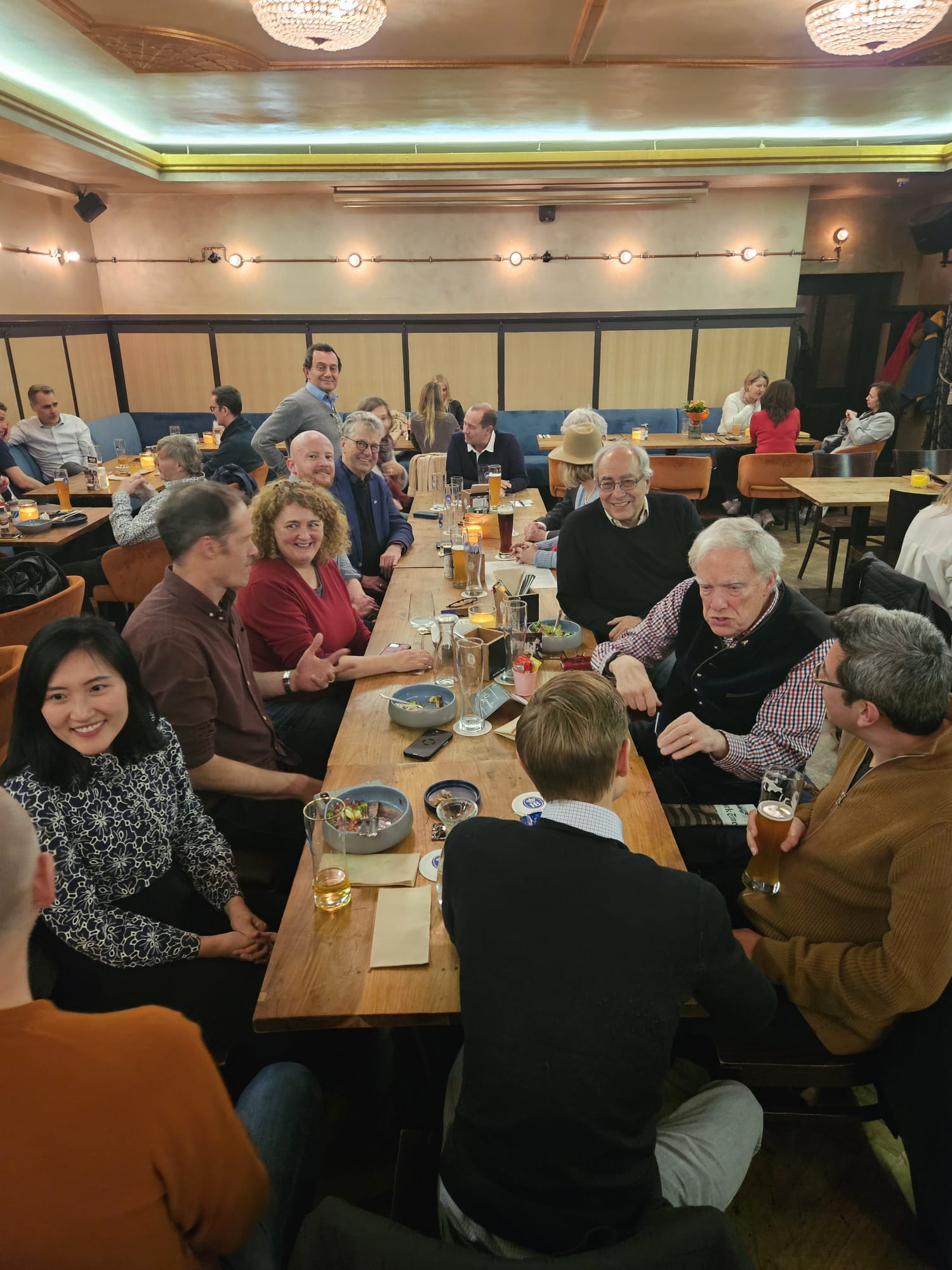
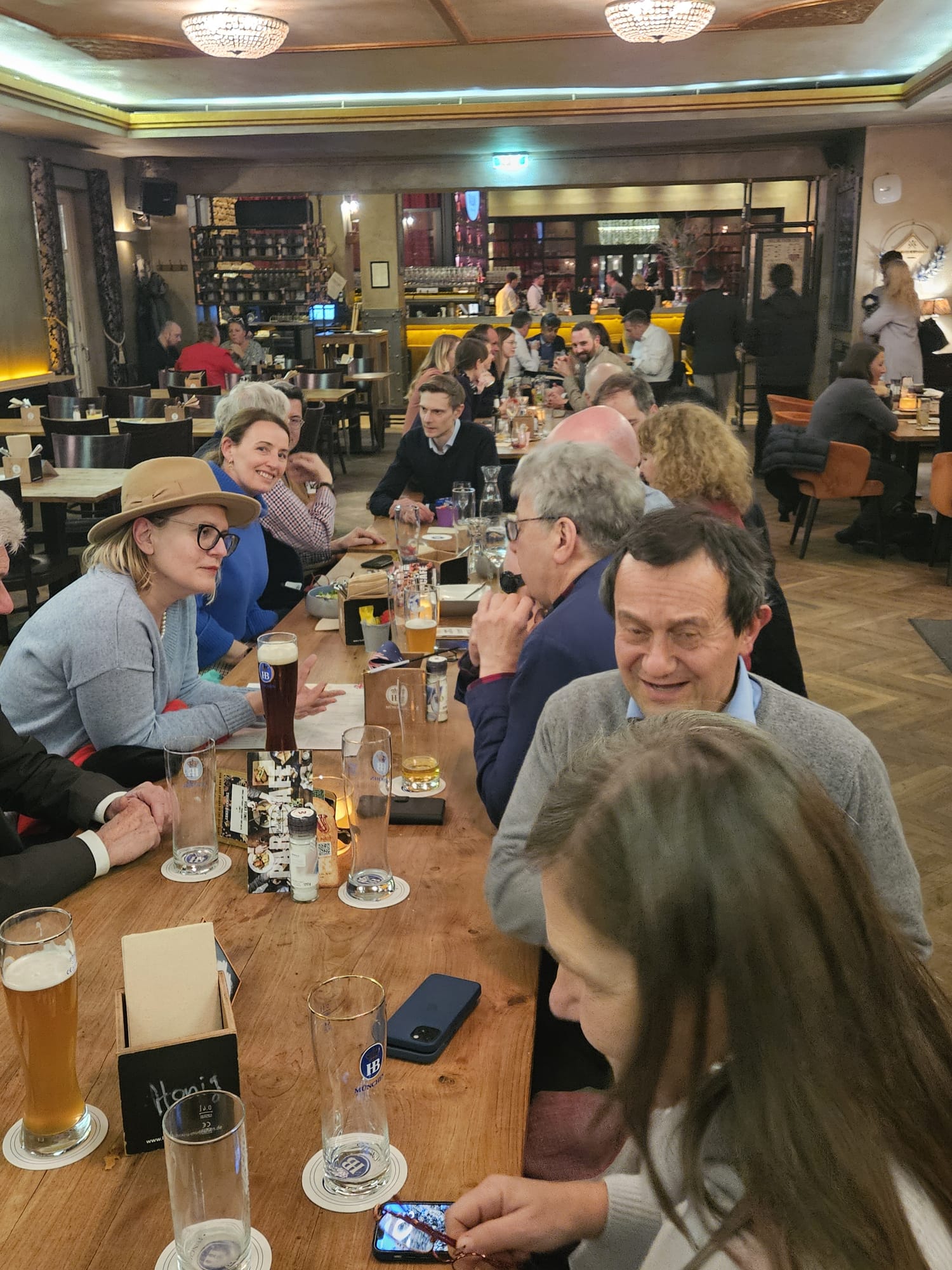
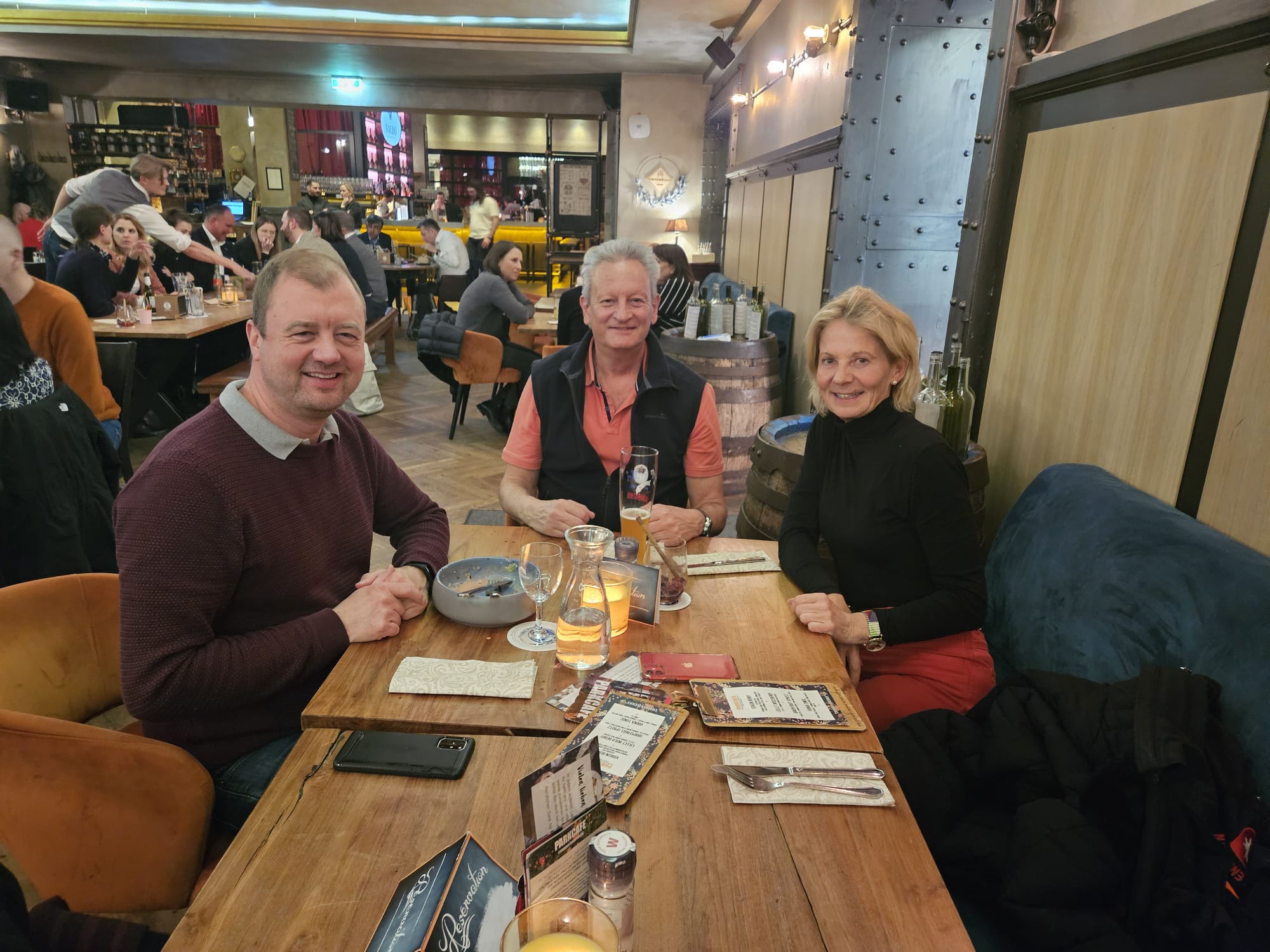
We are delighted to welcome our new patron Ambassador Natasha Smith at our Ambassador’s Dinner in Frankfurt this week. Ambassador Smith introduced herself in a Q+A fashion, interviewed by board member the Hon. André Haermeyer, expressing her commitment to energy as well as interest on people in the long history of German-Australian relationship.
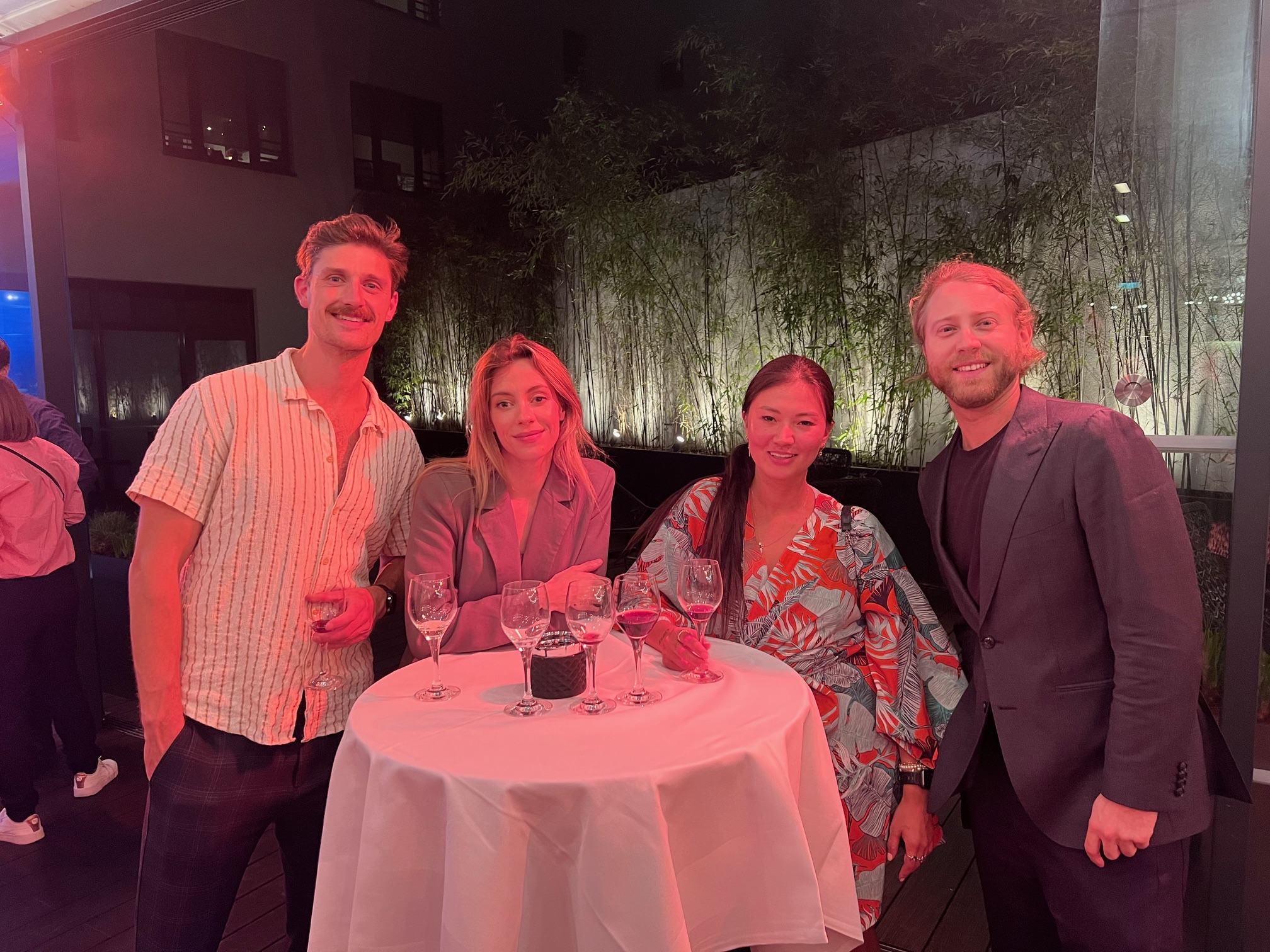
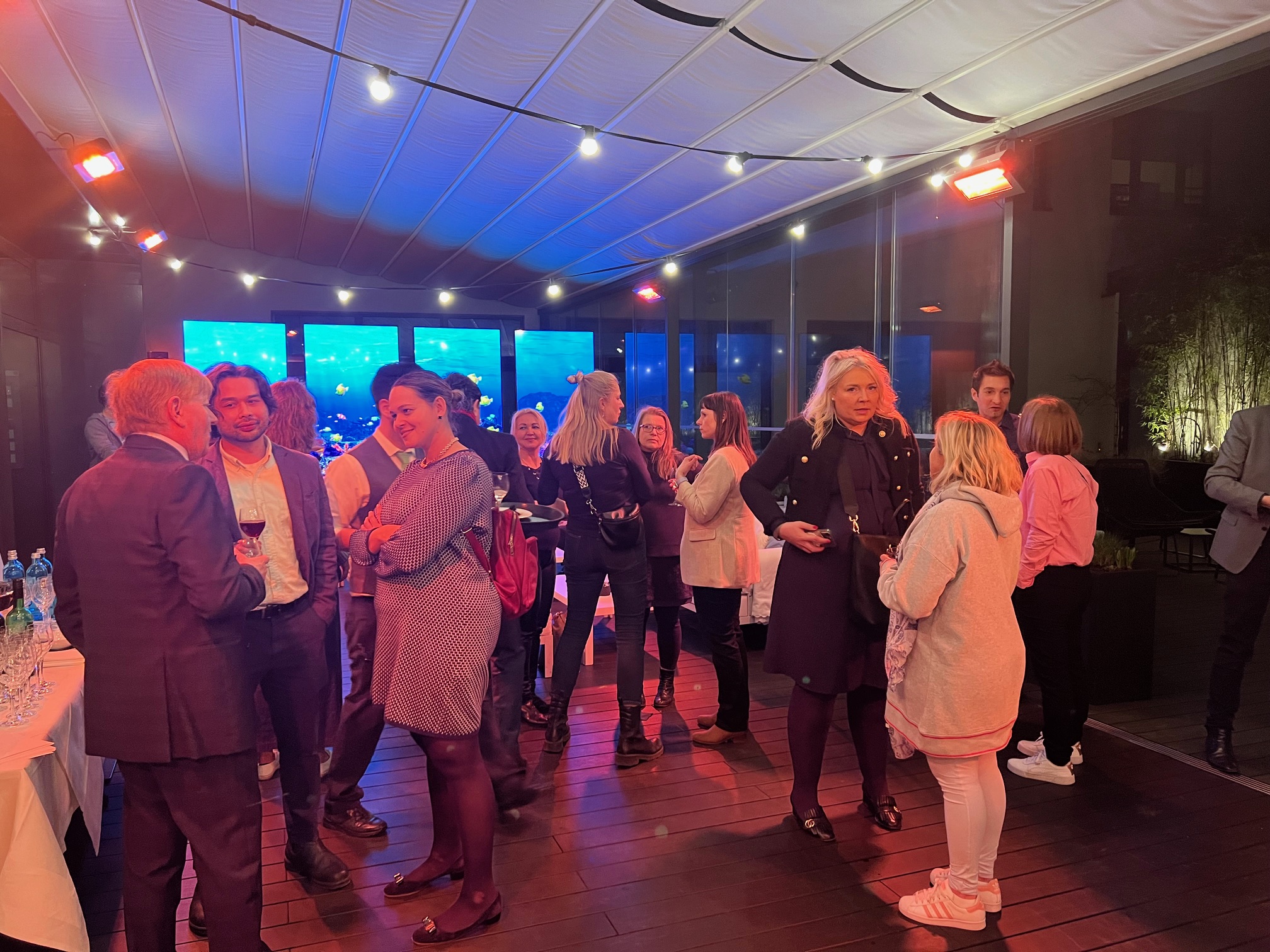
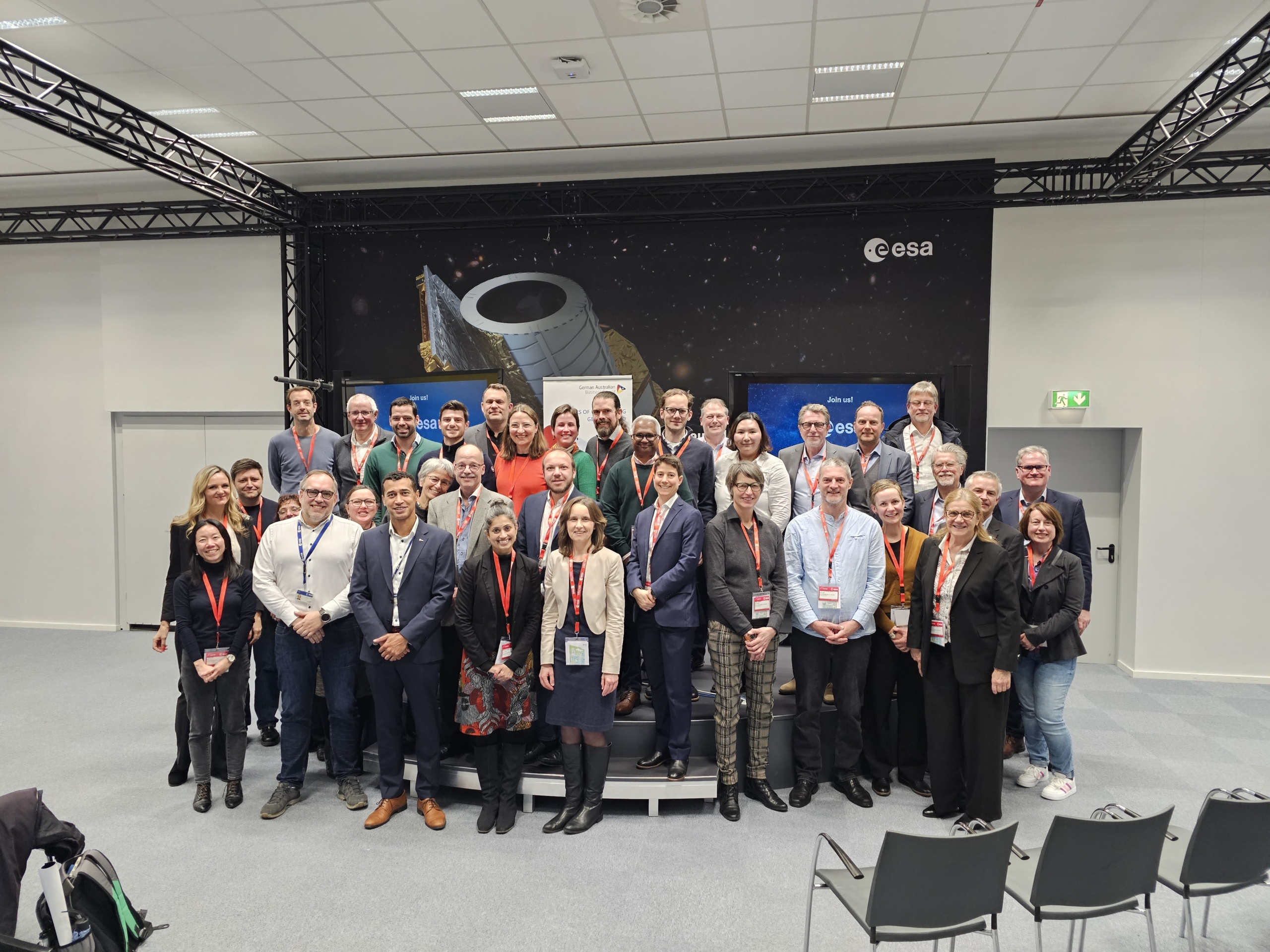
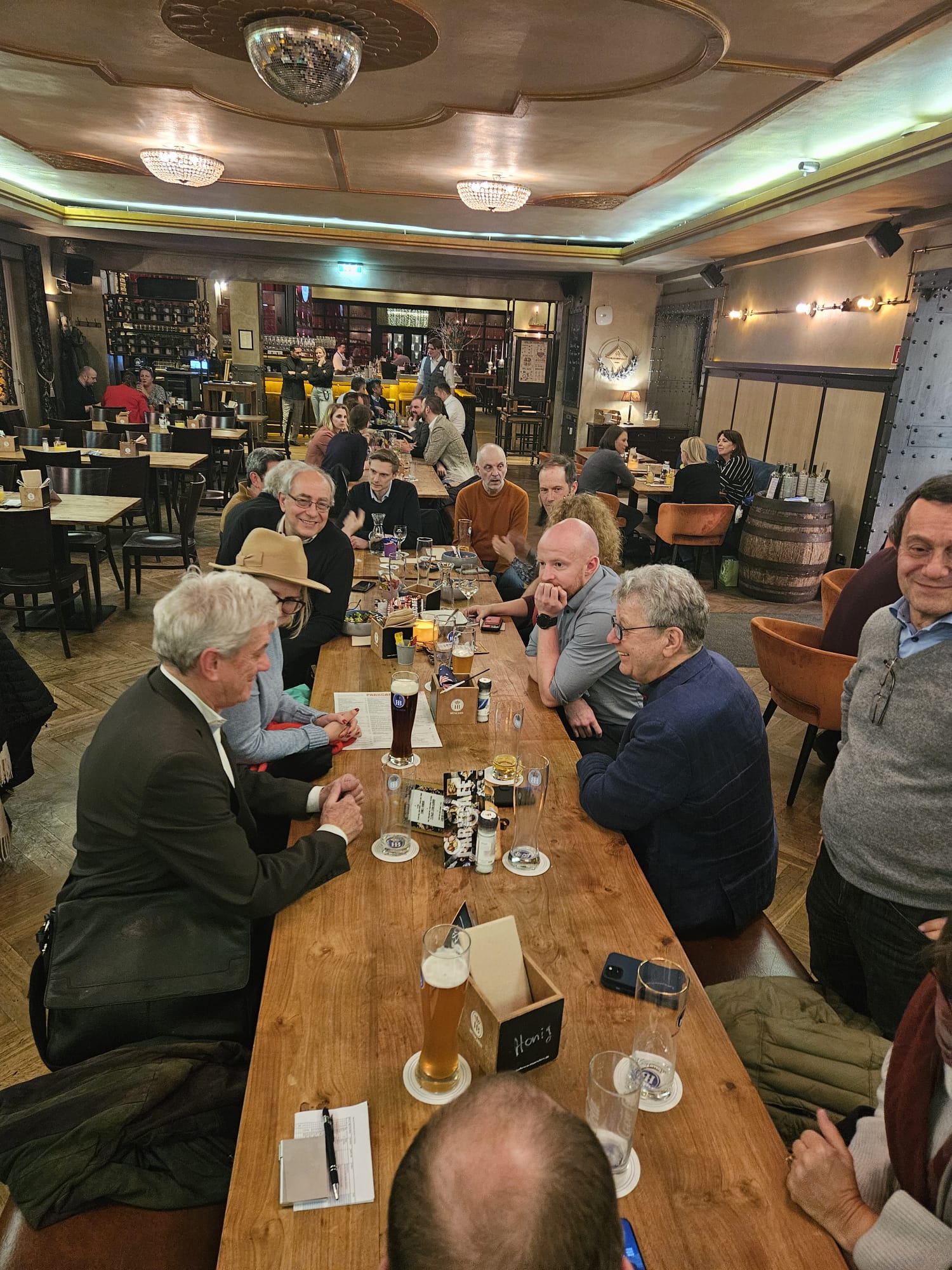
We welcome our co-patron Consul General Kelly Matthews and thank the representative of five states John Langoulant AO, Vanessa Rehn, Pallavi Mishra, Thorsten Terweiden, Russell Canning and Stefan Augustin for their support and presence in this convivial evening of 90 guests.
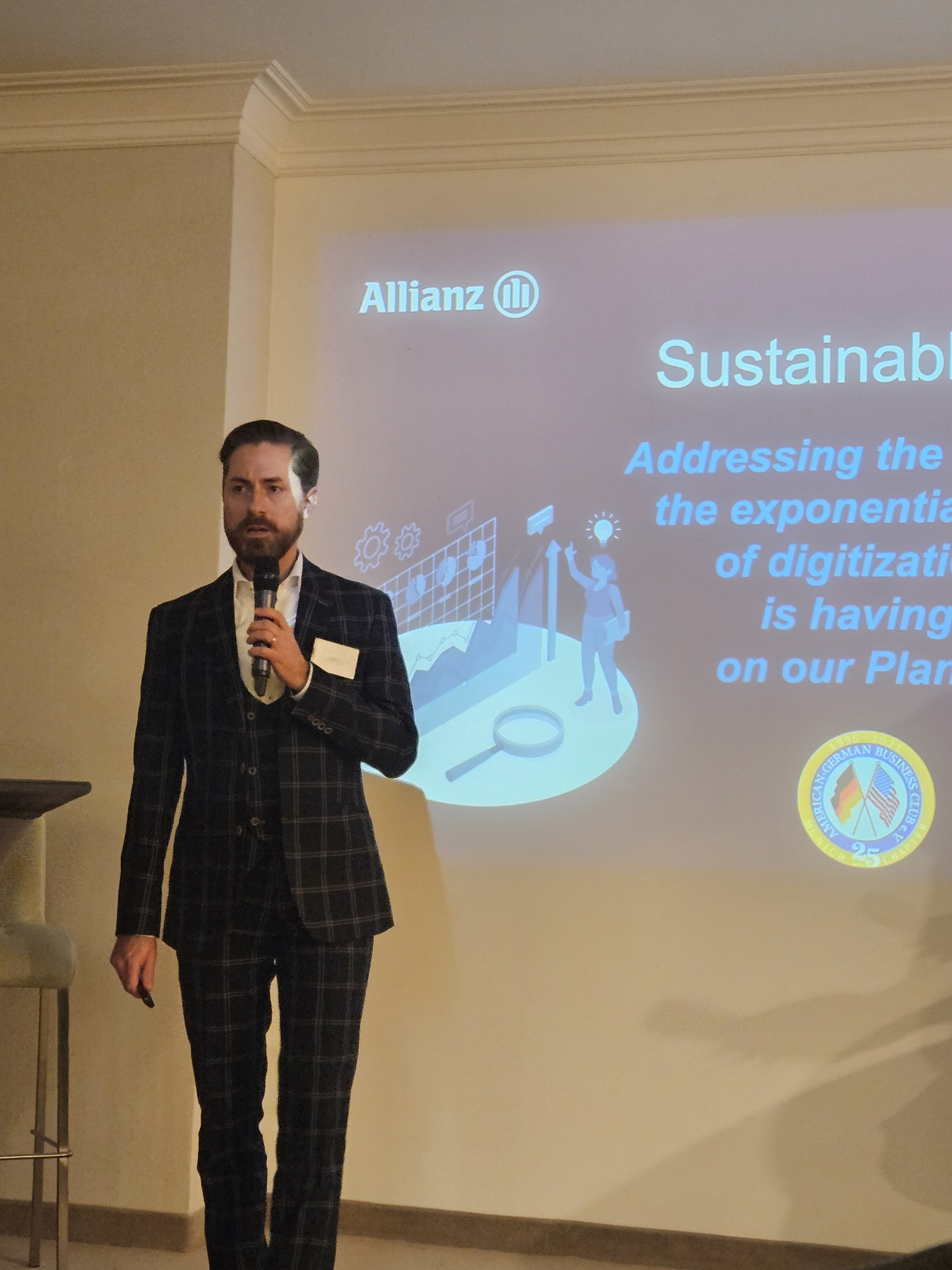
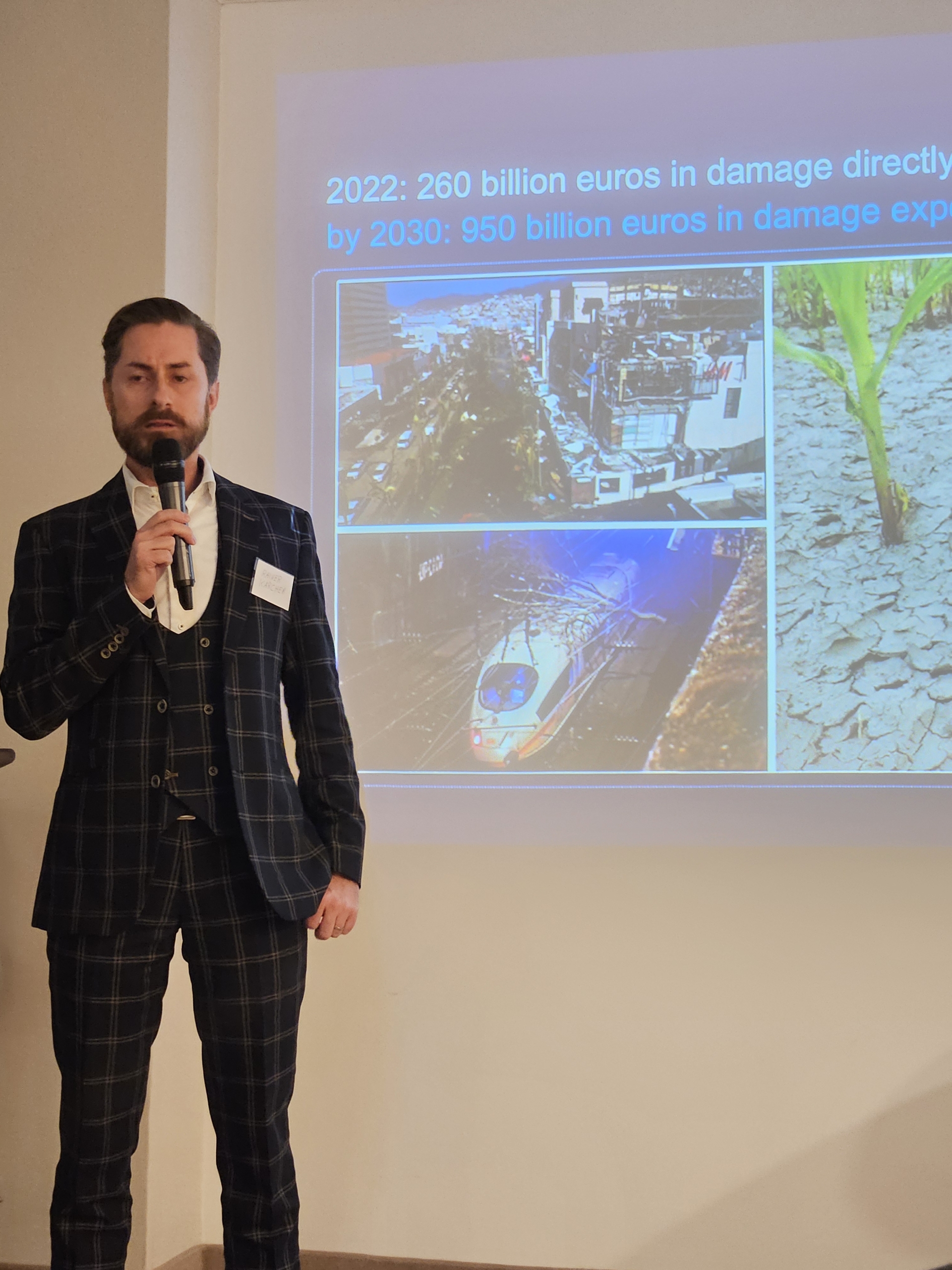
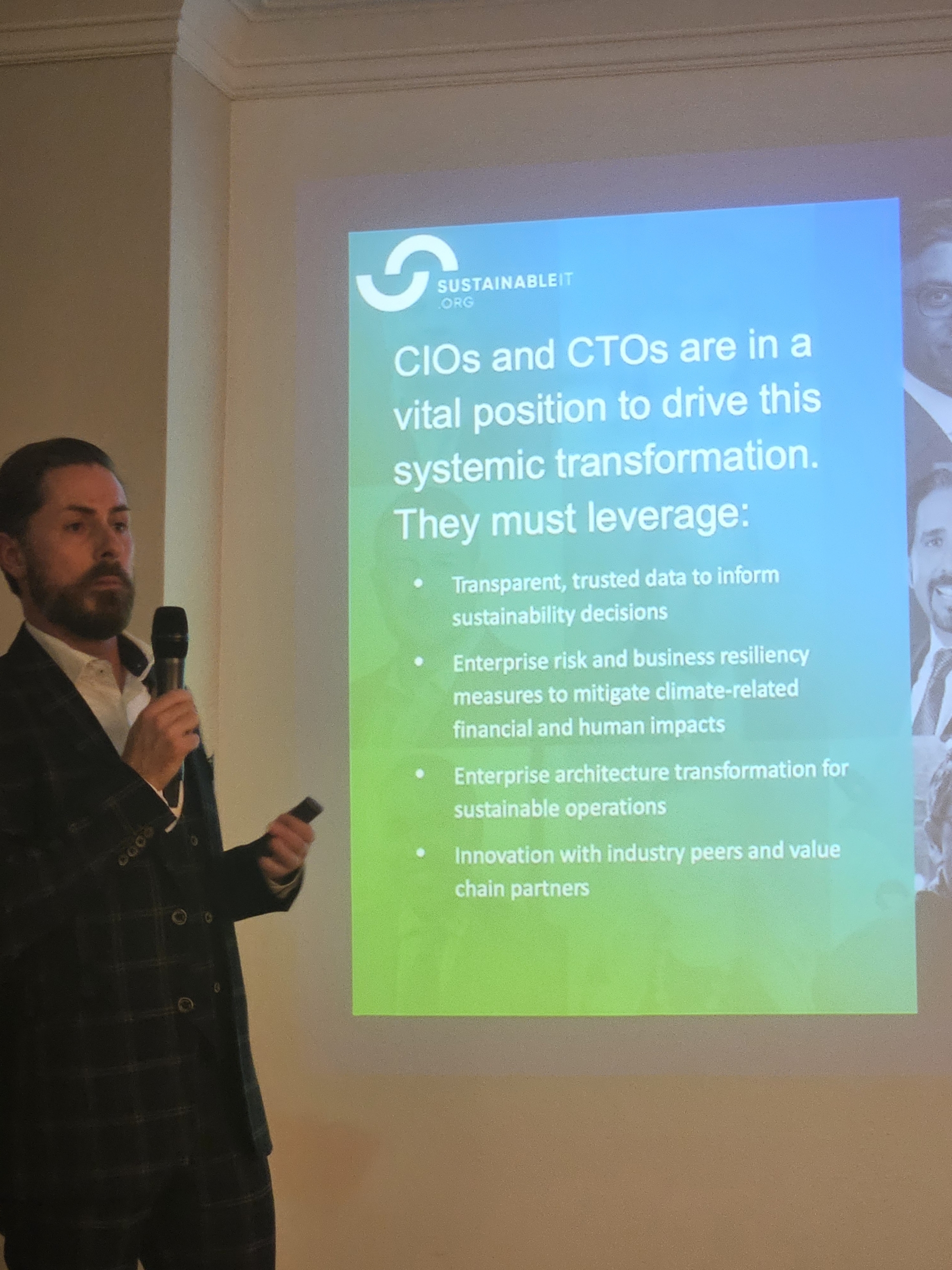
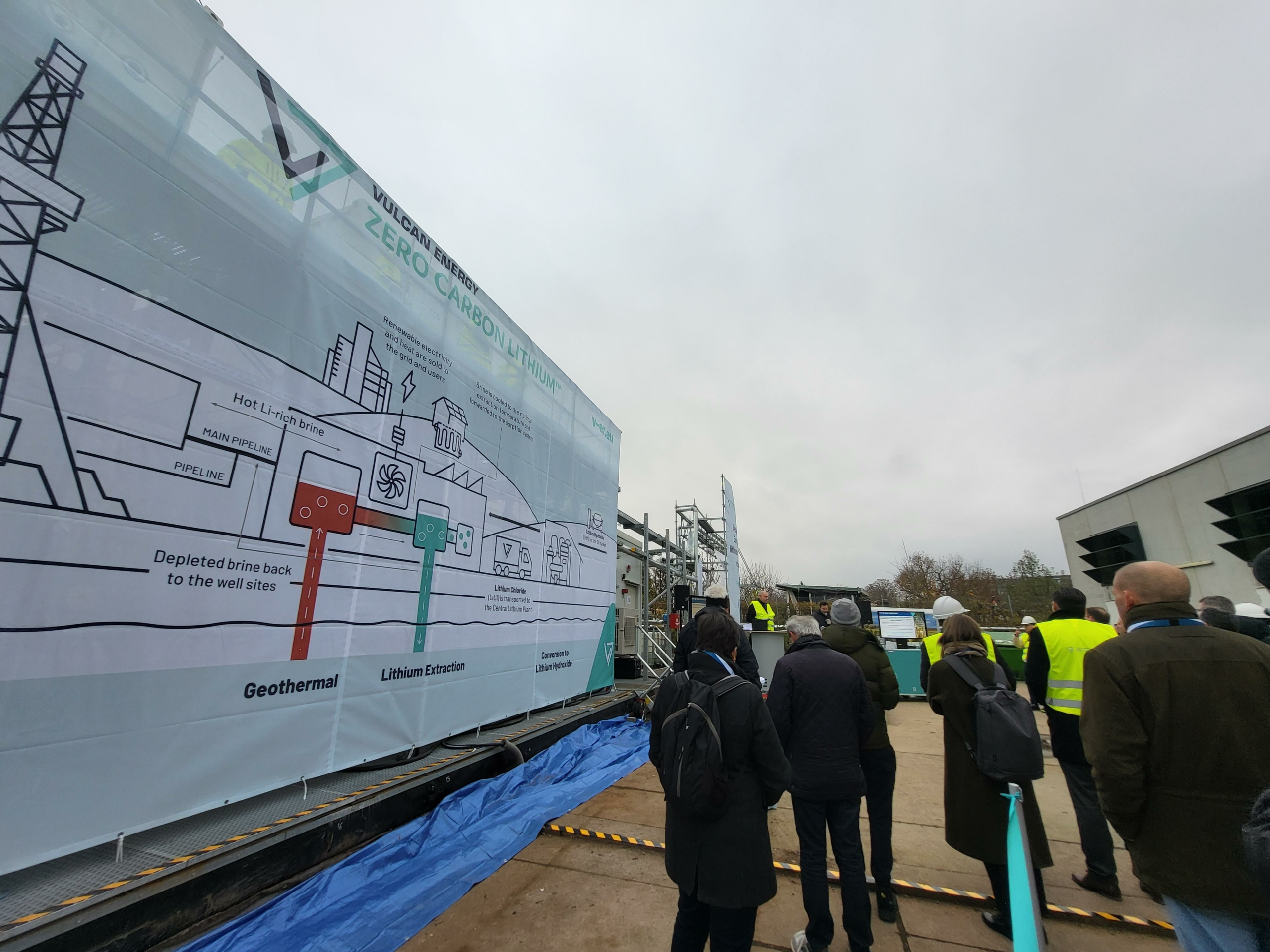
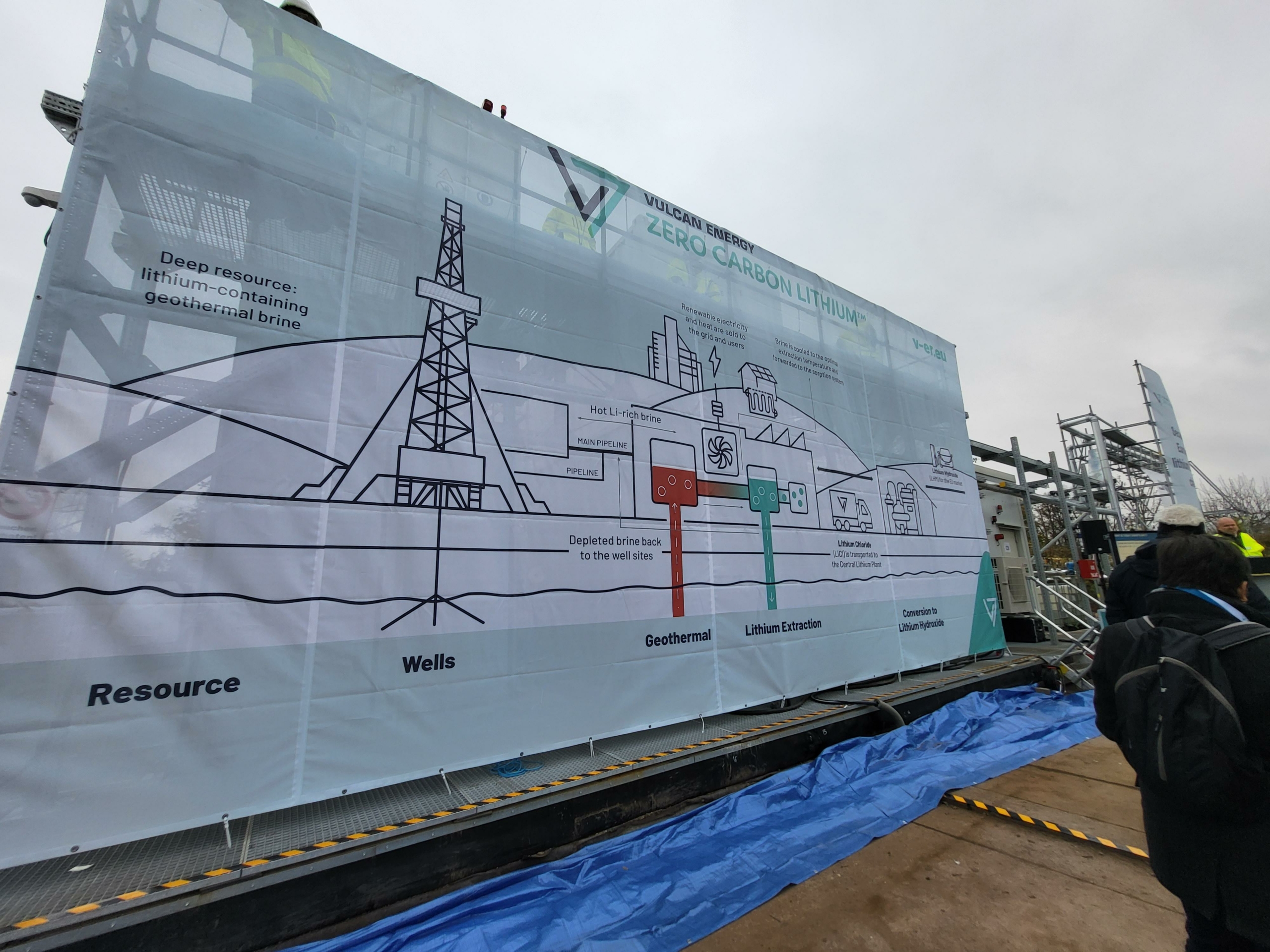
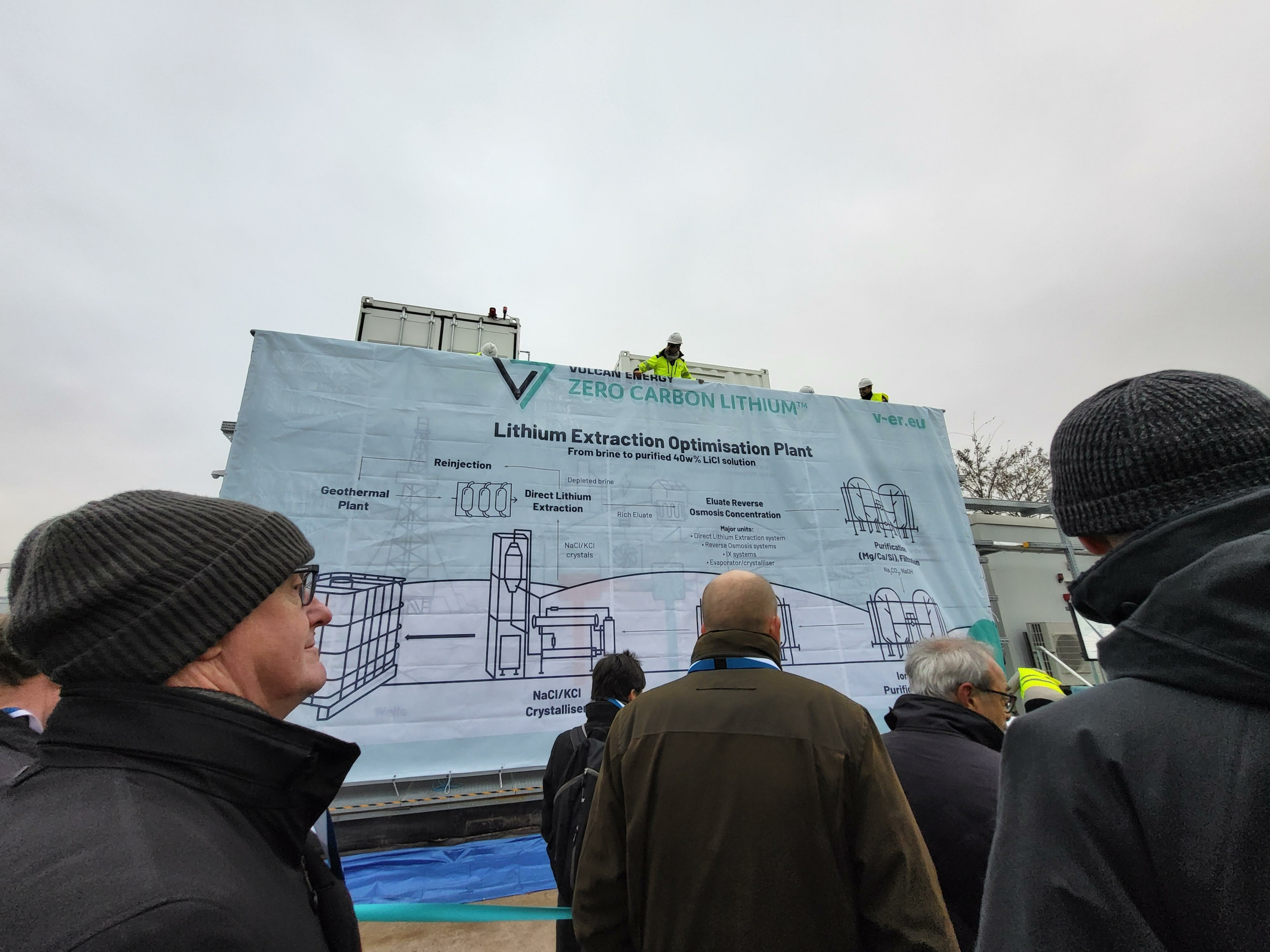
We thank our premium sponsor Commonwealth Bank, gold sponsors Sonic Healthcare Germany and Vulcan Energy Resources, silver sponsor Government of Western Australia, and bronze sponsors ANZ, FrankfurtRheinMain and Mondiale VGL without whose contributions our event would not be what it is. Thank you Cris M. for giving us insights on the significance of lithium deposits in the upper Rhine valley and zero-carbon extraction technology.
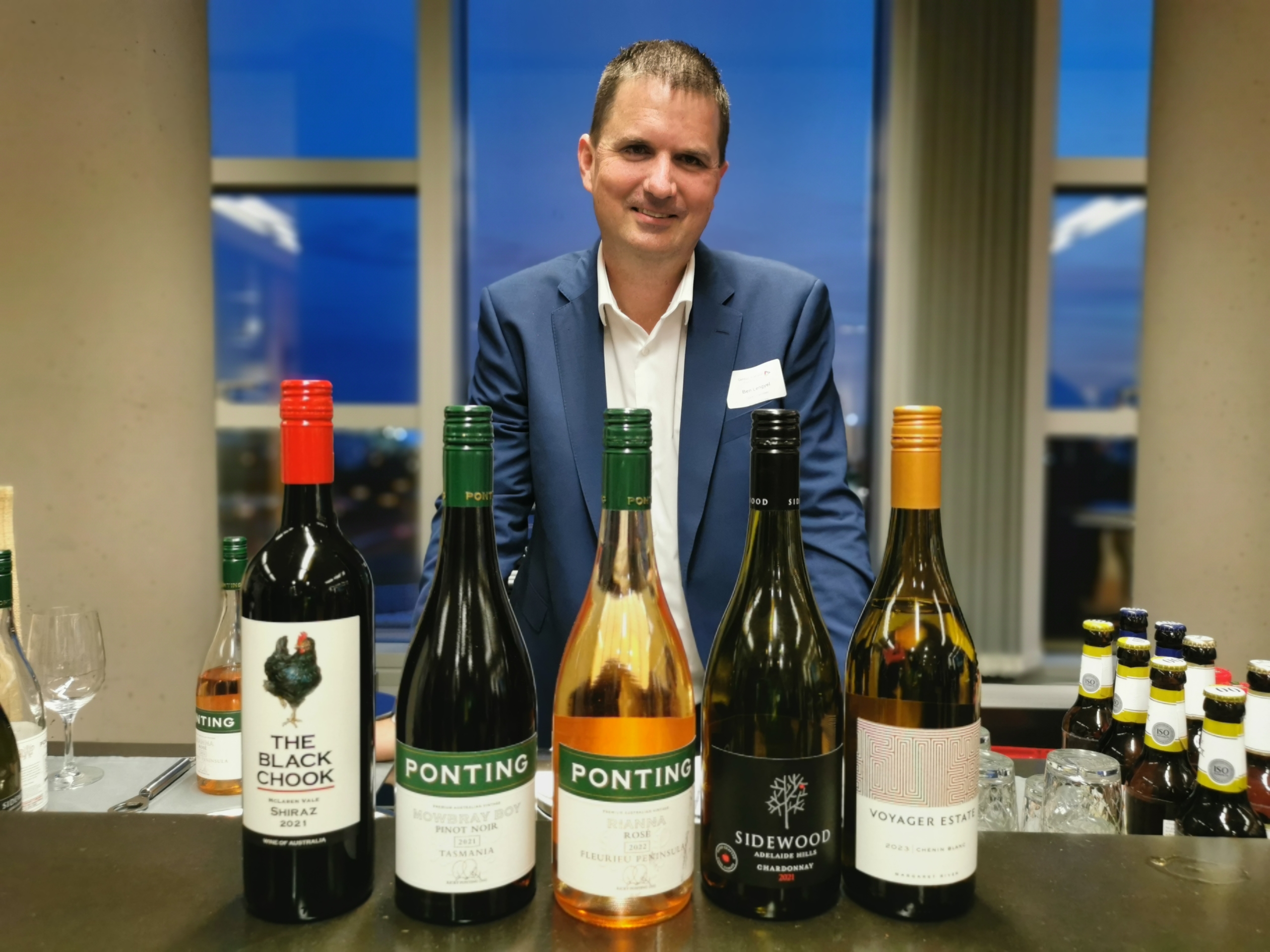
Fine Western Australian wines from Voyager Estate were enjoyed, supported by our silver sponsor and supplied by our corporate member 2IslandWines, Ben Lengyel, the smooth organization of the evening credit to the team effort of Dietrich Klusemann, Lucia Santoso, Suzanne Heim and Gordana Paton and the beautiful photography of Jens Braune del Angel.
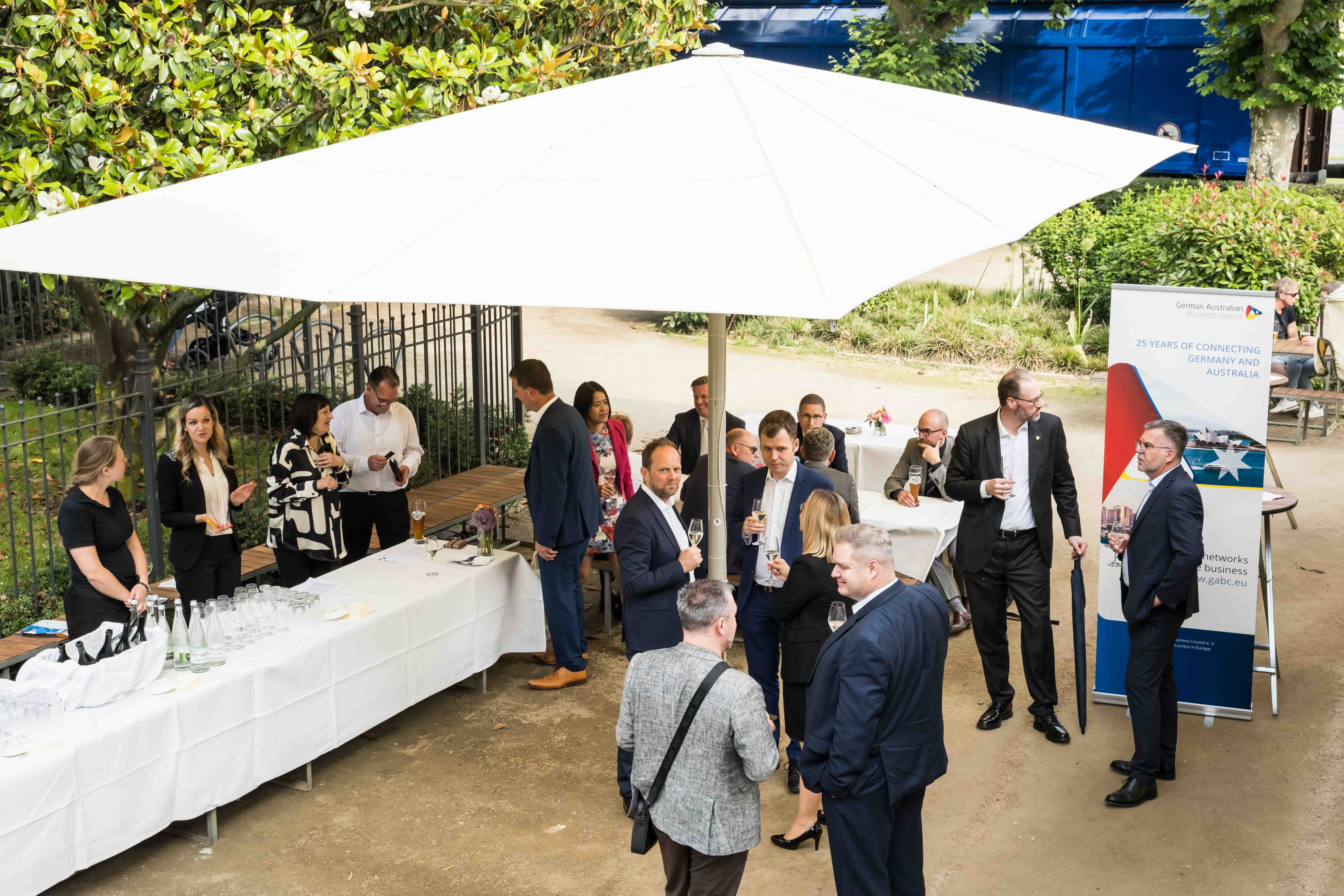
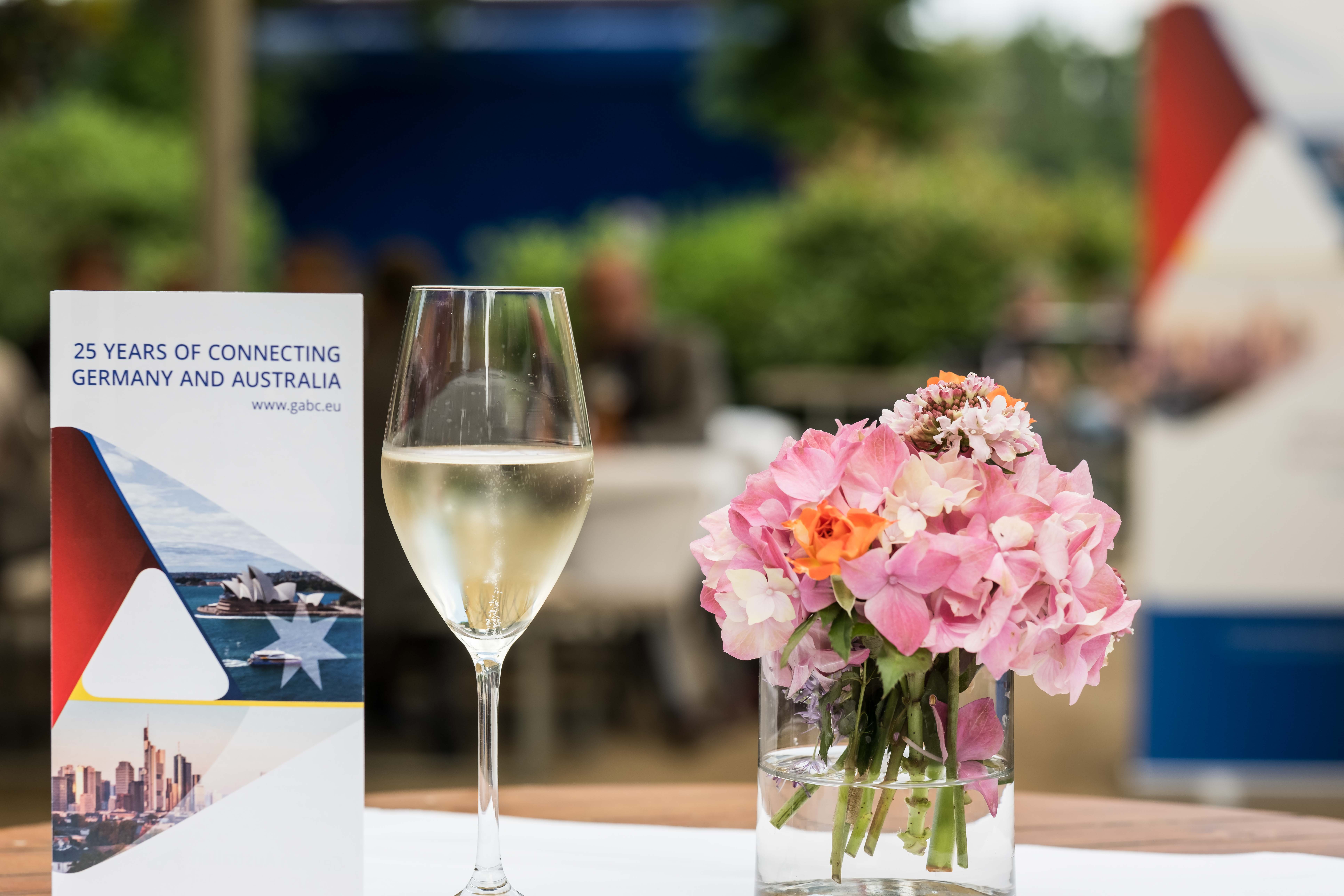
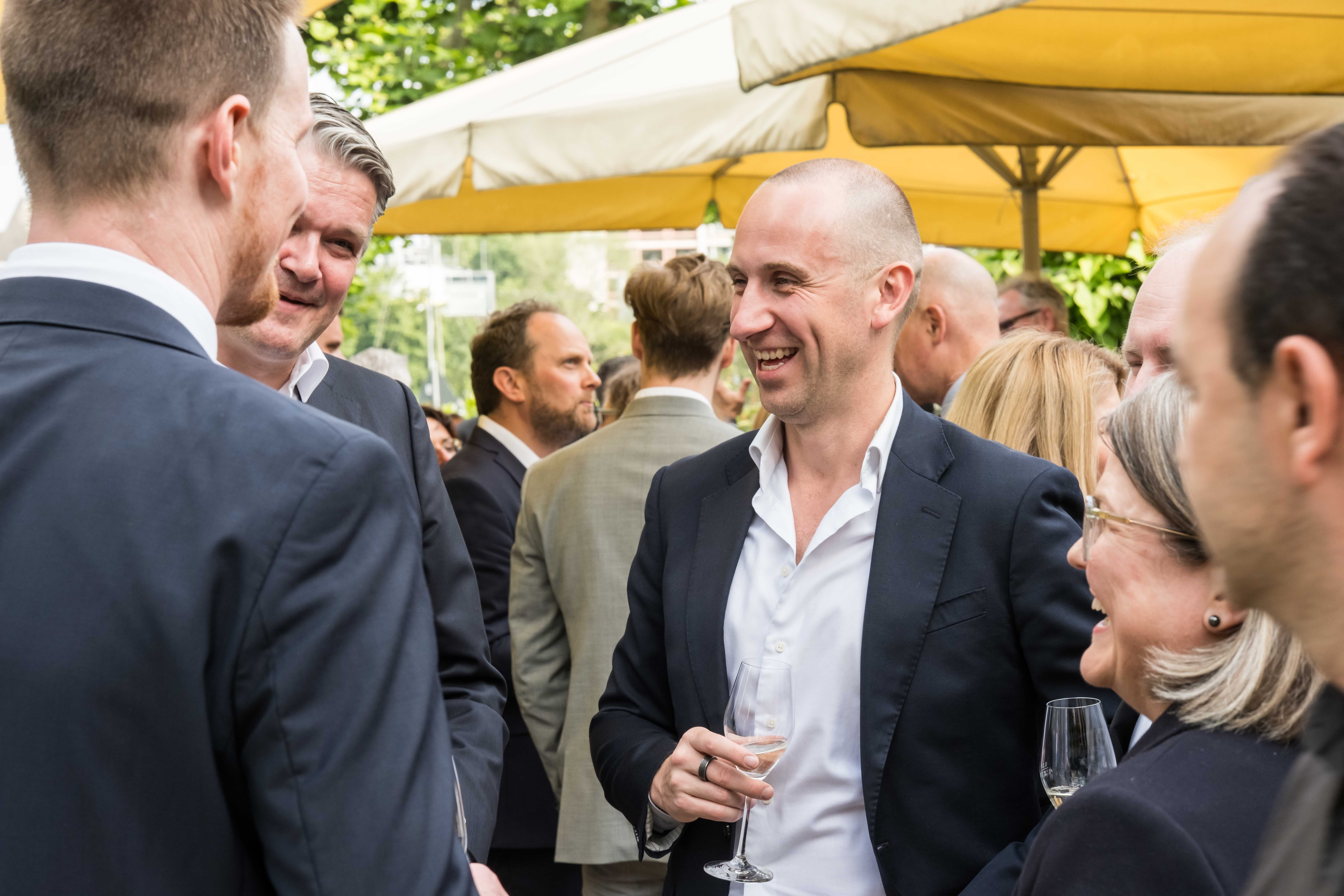
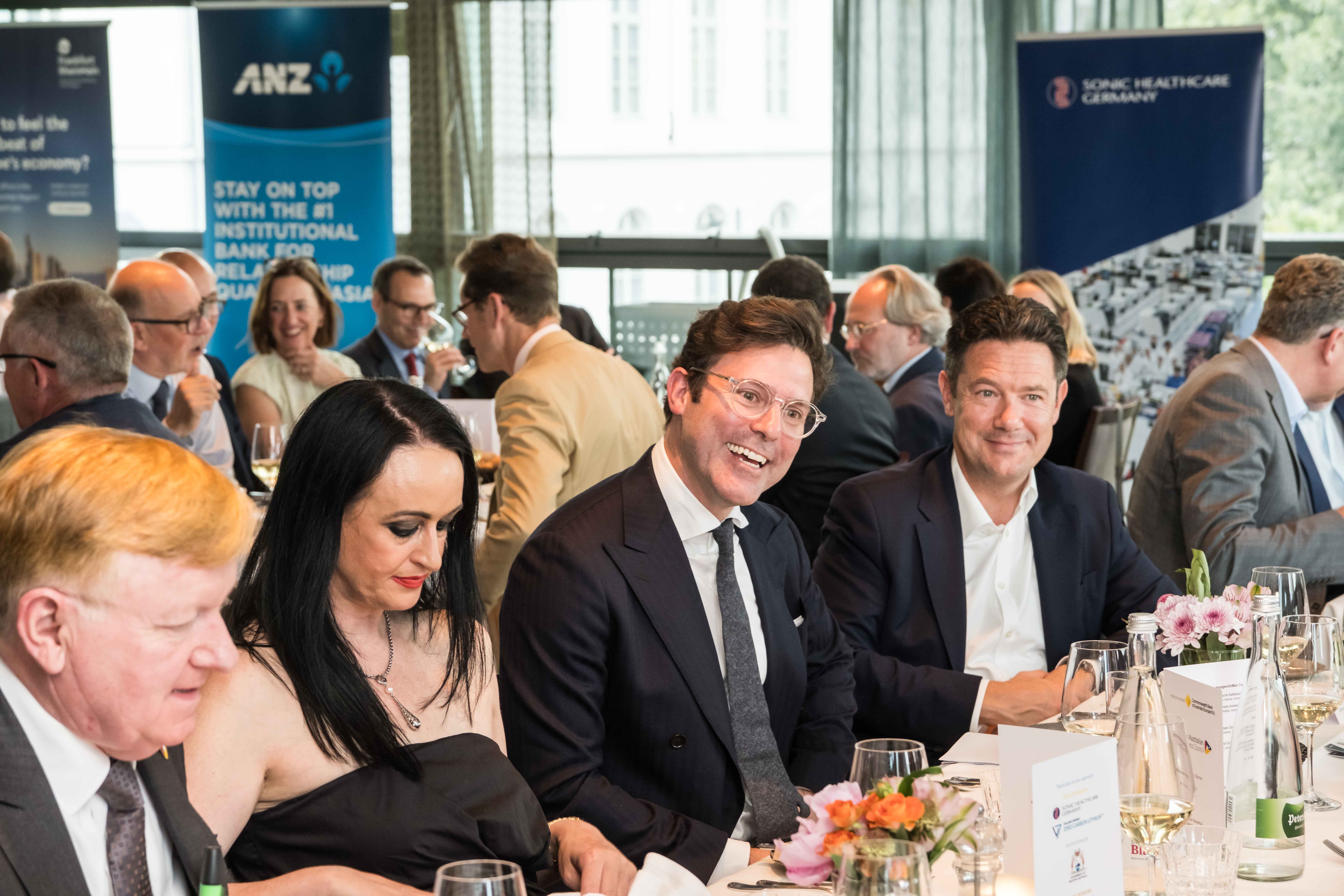
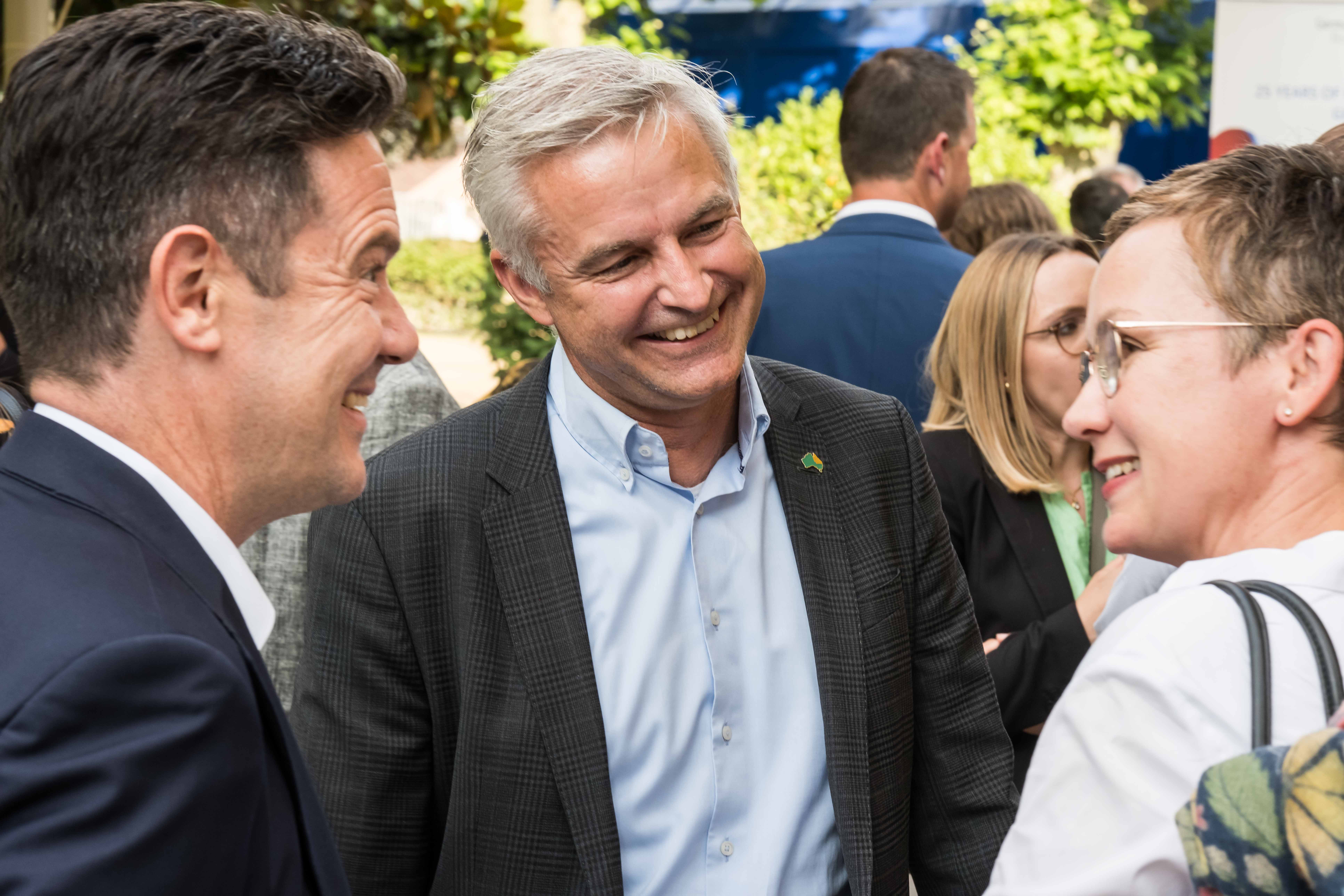
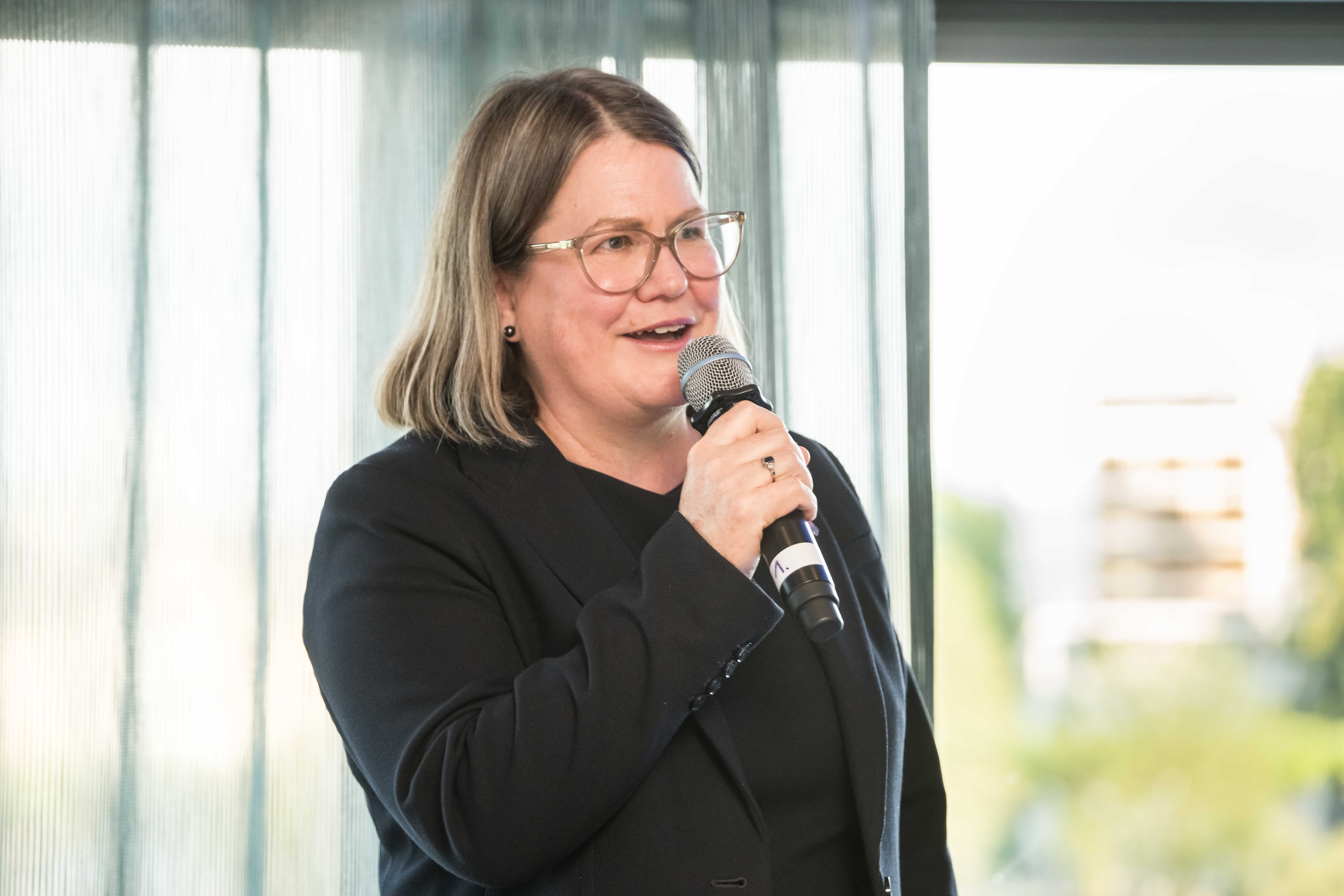
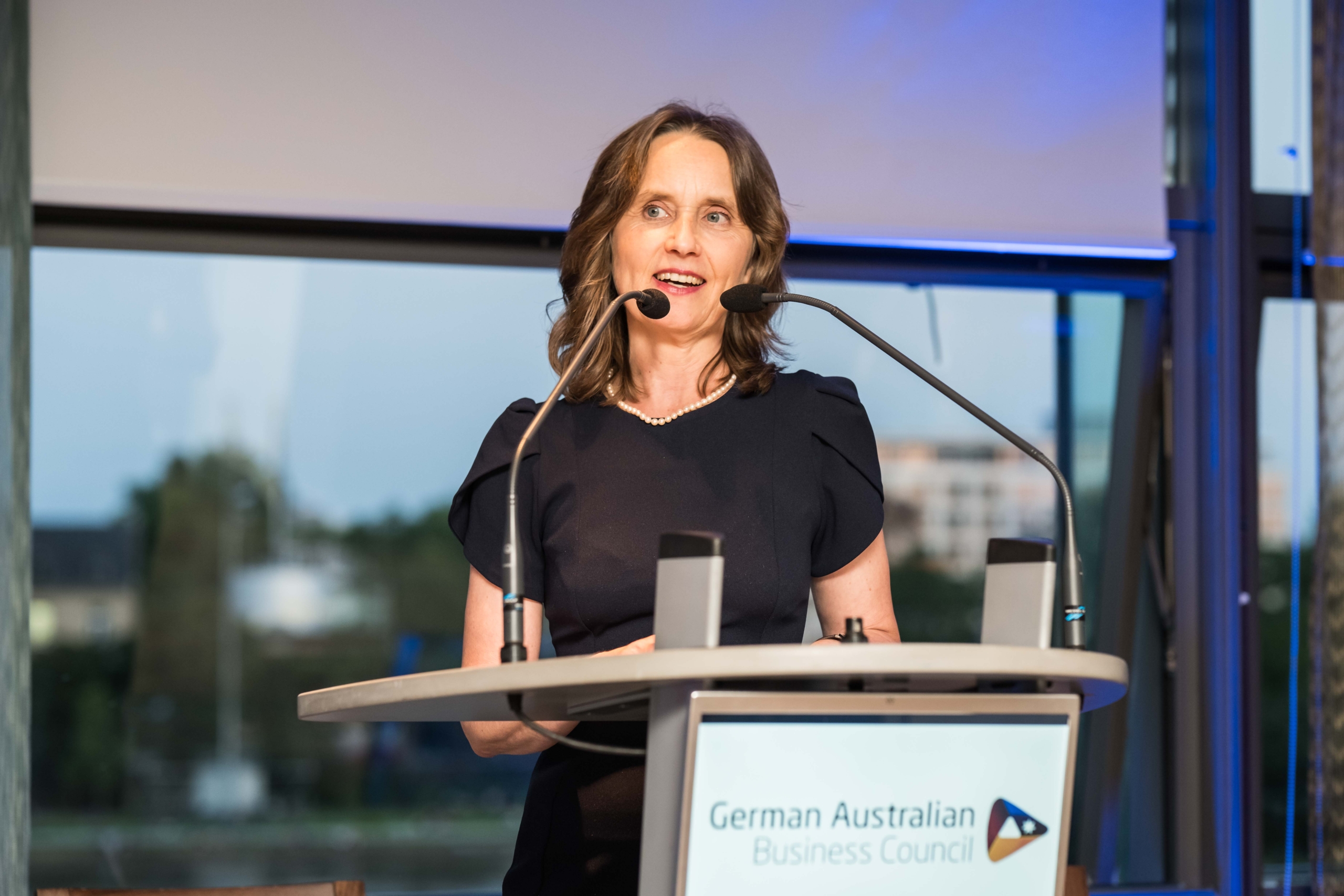
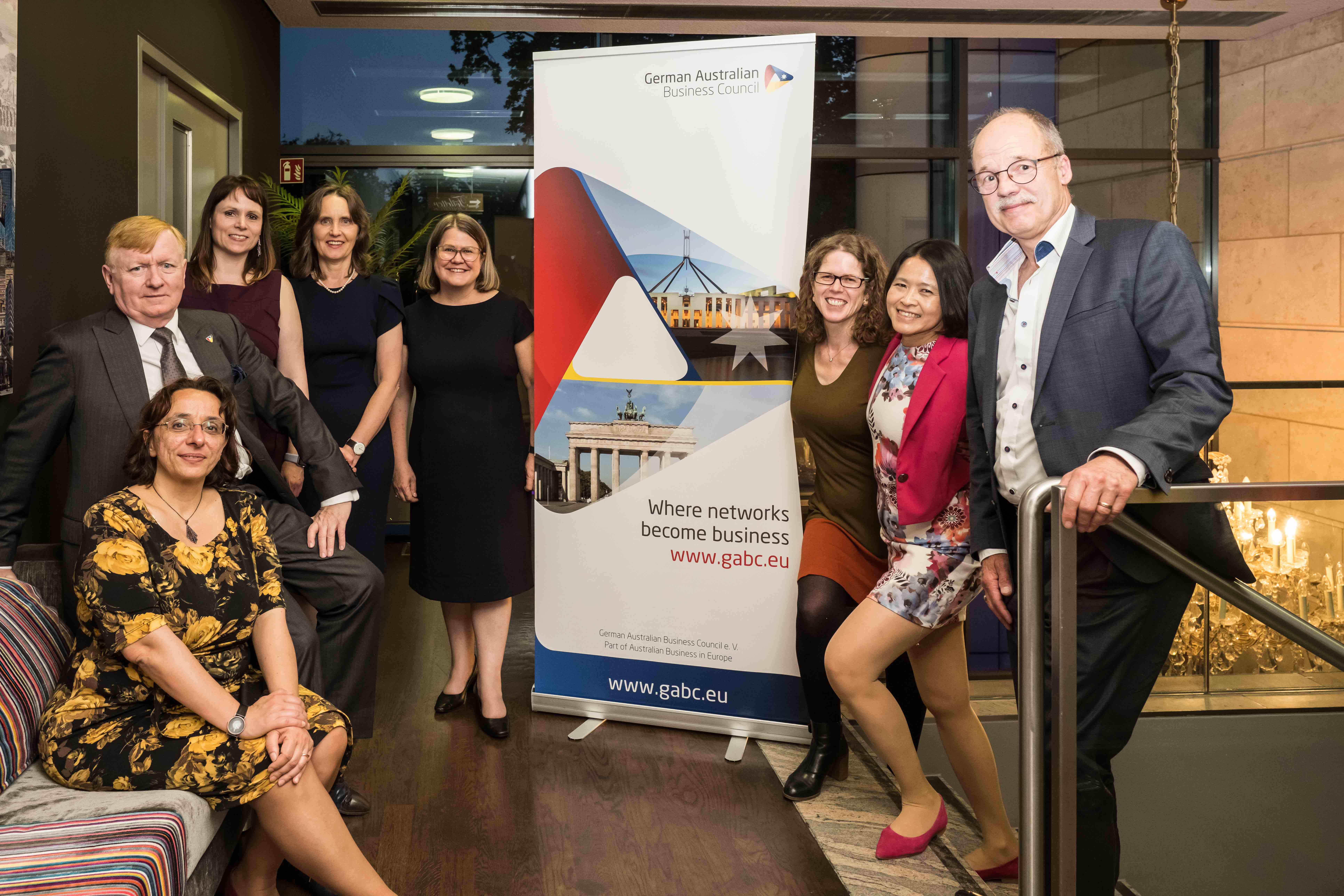
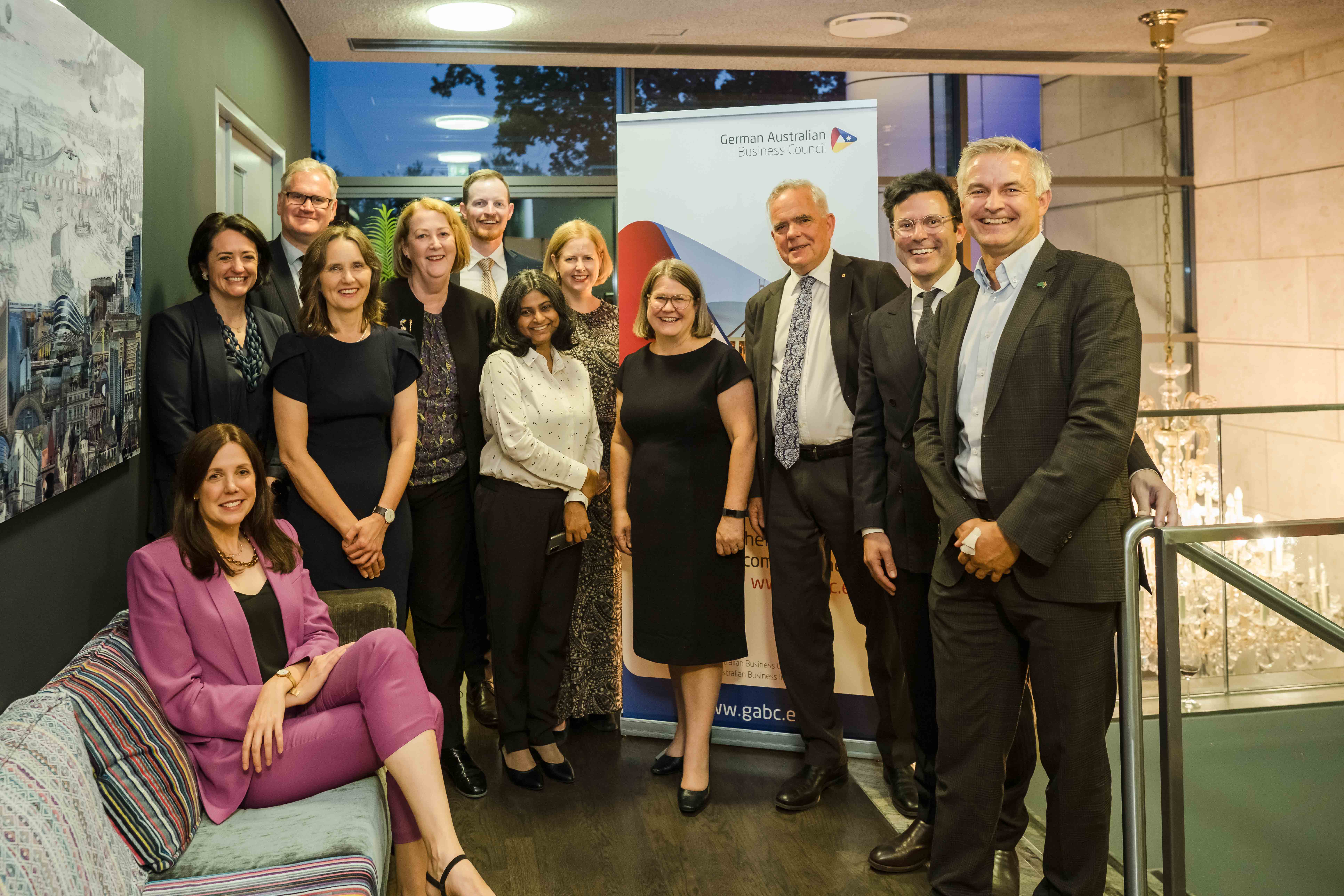
Photo credit: Jens Braune del Angel

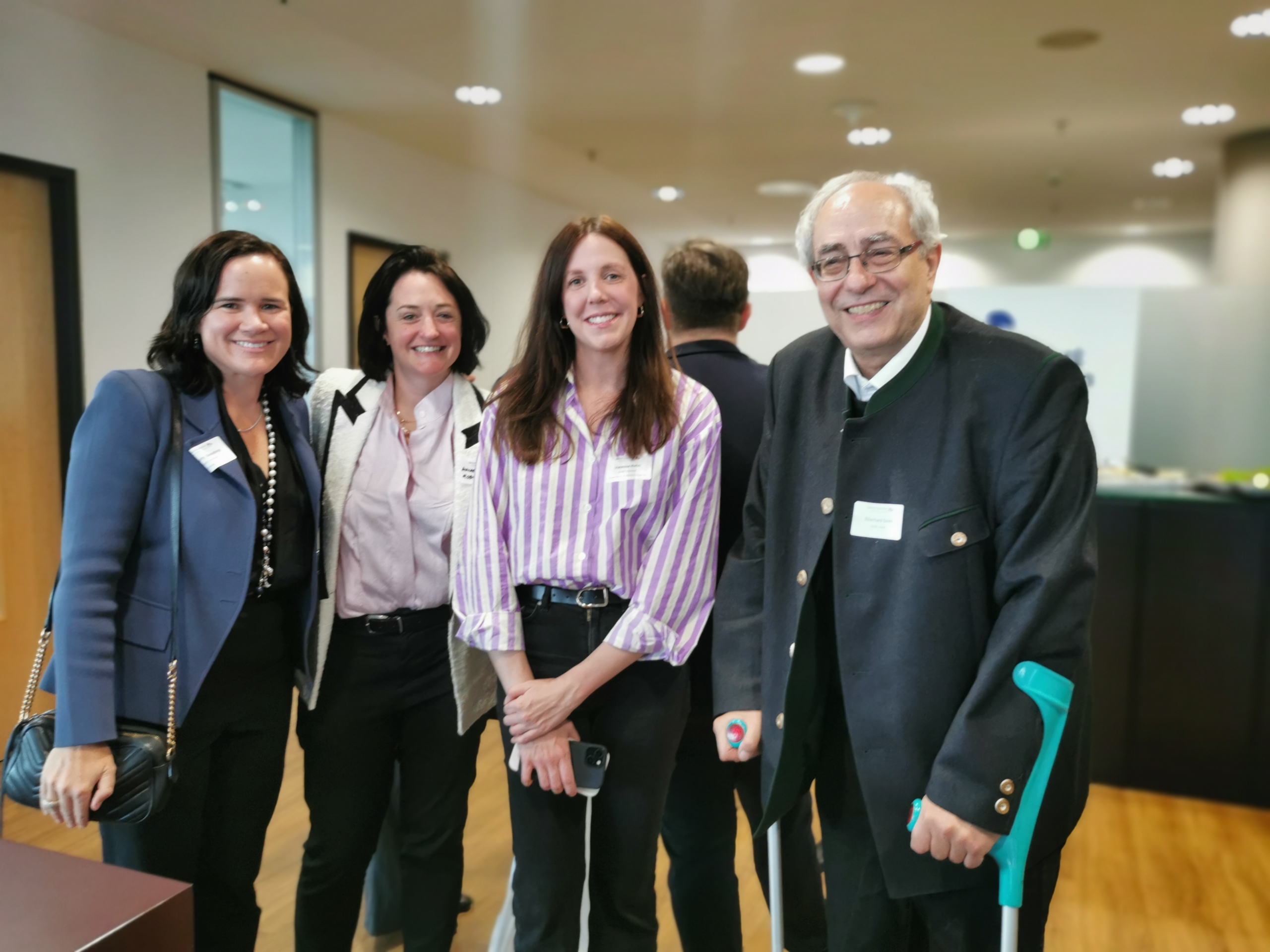

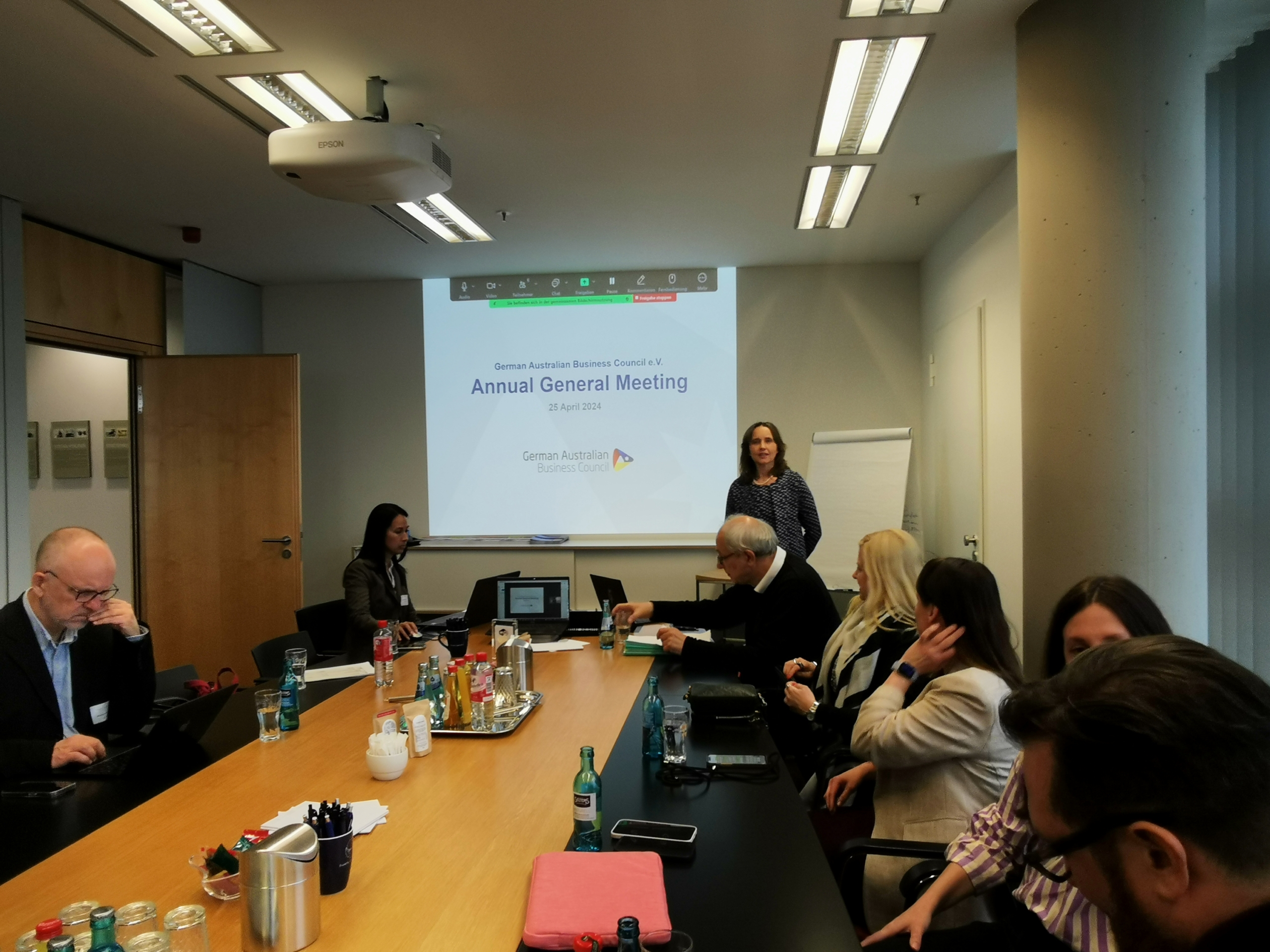


 Robert Harrison / GABC